SPECIALIZED SEX THERAPY BASED IN CLIFTON, NJ AND SERVING ALL OF NJ, NY, PA, FL, & TX
Depression Therapy for Shame, Identity, Body Image, & Life Transitions
Depression often feels more like dullness than sadness.
You answer texts eventually. You go to work. You get through conversations. From the outside, your life may appear relatively intact—but internally, something feels distant, heavy, or disconnected.
At The Center for Identity and Sex Therapy, we work with adults experiencing depression that is often intertwined with identity shifts, body image struggles, sexuality concerns, relational changes, and major life transitions. This is therapy for people who feel like something about themselves has changed—and they’re trying to understand what happened, who they are now, and how to feel connected again.
When Low Mood is Fueled by Shame
Sometimes, that heavy internal distance isn't just about sadness—it is fueled by an ongoing, internal warfare against cultural conditioning and institutional expectations. When we explore the deep roots of a disconnected mood, we often uncover a powerful psychological trap that dictates how you view your fundamental worth.
Guilt says, “I did.” Shame says, “I am.”
While guilt simply asks you to look at an action, shame convinces you that you are inherently flawed, wrong, or broken. The 1960s movements successfully broke the cycle of direct institutional control over human bodies, but that lingering cultural weight didn't just vanish—it moved inward, turning systemic rules into a personal, quiet battleground of self-loathing.
Reclaiming Meaning and Connection
This internal weight strips away your personal agency, dropping you into a state of learned helplessness where change feels impossible. Because you cannot heal outside the broader context of history, our approach to depression therapy looks far beyond surface-level symptoms.
We use a deep, historical awareness to help you unpack the generational messaging and societal rules that taught you to shrink yourself to fit in. Together, we safely work through the complexity of your experience, dismantling inherited shame so you can step out of the "in-between" and confidently reclaim your authentic self-expression, your bodily autonomy, and your right to be here.

It’s ok to not be ok.
For many people, depression doesn’t feel like crying all the time. It feels like slowly losing access to yourself.
You may notice yourself moving through your days mechanically — waking up tired, getting through responsibilities, responding to people, while privately feeling detached from your own life.
Things that used to feel natural now feel effortful:
The initial morning drag: Simply forcing yourself to get out of bed, transforming what should be a basic morning routine into an exhausting physical hurdle.
An overwhelming cognitive fog: Trying to make simple, everyday decisions without your mind cycling through endless doubt.
Questioning your reflection: Looking at yourself in the mirror and struggling to recognize or feel any real connection to the person staring back.
The exhausting performance of presence: Showing up and trying to stay emotionally present with the people you genuinely care about, while privately feeling entirely hollowed out.
A quiet bedroom: Reaching a point where you feel completely disconnected from intimacy, touch, or relational connection—feeling like your desire is suddenly miles away.
You may find yourself wondering:
“Why do I feel so disconnected from myself lately?”
“Why does everything feel flat?”
“Why I am not good enough?”
“Why am I too much?”
“Why can’t I access the version of me I used to be?”
“Why do I feel emotionally absent even when I’m technically functioning?”
Sometimes the depression is obvious. Other times, it’s quieter.
It can feel like numbness. Overwhelm. Emptiness. Irritability. Emotional exhaustion. A constant undercurrent of heaviness that follows you throughout the day.
And for many adults, these feelings emerge during periods of transition — when your identity, body, relationships, sexuality, health, or life direction begin to shift in ways that are difficult to fully process.
You may feel caught between who you used to be and who you are becoming.
That in-between space can feel incredibly lonely. Especially when everyone around you assumes you’re “fine.”

Depression often develops when something when you believe you are wrong or internally no longer fits.
You may be navigating:
A major relationship shift or breakup
Changes in your body, health, or appearance
Questions around sexuality or intimacy
Cultural or family pressures that conflict with who you are
Generational messages
Aging, career changes, relocation, or role transitions
A growing sense that the life you built no longer feels emotionally aligned
In these moments, depression can become more than a mood issue alone.
It can feel like grief for a version of yourself. A loss of connection to your body. A disorientation around identity. A sense that something important has gone quiet inside you.
At times, people begin blaming themselves:
“Maybe I’m lazy.”
“Maybe I’m just ungrateful.”
“Maybe this is just how adulthood feels.”
But often, depression is signaling that something deeper needs attention, understanding, and care.
-
Specialized, affirming support to help you reclaim your sexual side. Whether you are navigating sexual dysfunction, low desire, or pain during sex, therapy offers a safe space to rebuild connection, confidence, and pleasure. We provide expert, identity-informed care to help you move past sexual shame, address intimacy concerns, navigate LGBTQIA+ stress, or safely explore your sexual identity.
Bespoke, expert-level care for the sexual complexities, disorders, dynamics, and desires we rarely name:
Sexual Desire & Functioning: Working through low desire, arousal or orgasm challenges, and pain during sex.
Hormonal & Reproductive Health: Navigating chronic illness, cancer, perimenopause, menopause, and complex reproductive conditions like PCOS, PMDD, endometriosis, and fibroids.
Medical & Diagnostic Anxiety: Support through difficult test results, health screenings, medical trauma, and reclaiming sexual health after surgery or major illness.
Compulsive Behaviors & Trauma: Specialized care for compulsive sexual behaviors, problematic pornography use, deep-seated shame, and healing from religious or spiritual sexual trauma.
-
Reclaiming Confidence, Pleasure, and Personal Authenticity
Major life, health, or cultural changes—like becoming a parent, menopause, chronic illness, surgery, coming out, divorce, or empty nesting—can shift your sense of self and how you connect with others. We support clients in navigating these complex transitions to reclaim confidence, pleasure, and personal authenticity.
Rather than viewing these changes as isolated physical symptoms, our practice addresses how medical shifts, hormonal evolutions, and lifestyle milestones transform your internal identity and your intimate relationships.
-
Reclaiming comfort, confidence, and connection when your relationship with yourself or your identity shifts. Body changes, self-consciousness, or shame can quietly undermine sexual confidence, desire, and enjoyment—profoundly affecting intimacy and overall satisfaction.
Up to 95% of LGBTQ individuals, 90% of women, and 40% of men report body dissatisfaction, which can lead to “spectatoring” during sex, lowering desire and making arousal or orgasm harder. We help you feel at home in your body, restore intimate connection, and cultivate confidence in your sexuality and identity on your own terms.
Bespoke, expert-level care for the identity shifts, relational dynamics, and somatic challenges we rarely name:
Somatic Health & Body Sovereignty: Specialized care for body image, disordered eating, trauma, identity-based harm, and healing from profound experiences of erasure.
Neurodivergence & Gender Expansion: Affirming, expert-level support for neurodivergence and sexuality (ADHD, AuDHD, ASD), alongside gender-affirming care for LGBTQ+ identity and coming out.
Relational Dynamics & Modern Intimacy: Navigating caregiver stress, burnout, dating, modern relationships, sex work, and queer-spectrum sports psychology.
Culture, Identity, & Family Evolution: Thoughtful support for expat, immigrant, and multicultural identities, as well as parenthood decisions, child-free living, and complex family planning.
-
Holding space for the silent, complicated, and invisible heartbreaks traditional talk therapy overlooks. When grief intersects with reproductive choices, body changes, or identity shifts, the pain can feel deeply isolating. We provide an advanced, gentle clinical environment to help you process profound life losses, honor your unique timeline, and safely carry your grief without being forced to rush through it.
Bespoke, expert-level care for the reproductive losses, life transitions, and hidden grief we rarely name:
Reproductive Loss & Processing: Specialized support navigating the unique emotional weight of abortion, miscarriage, infertility, and the complex medical cycles of IVF.
Birthing Trauma & Postpartum Healing: Compassionate care for pregnancy complications, birth trauma, maternal mental health, matrescence, parenthood, and navigating sex after birth.
Grief, Loss, & Bereavement: Dedicated space to process the death of a loved one, secondary losses, and navigating life after major relational or family changes.
Aging & Maturation Identity Shifts: Honoring the complex grief tied to the passage of time, bodily changes, perimenopause/menopause, or outgrowing a version of yourself that once felt familiar.
Here’s how we can help:


Hello,
You can find your way back yourself, even after everything changes. You are not broken. You are becoming. Every part of you is welcome here.
I founded this practice to walk with people through the "in-between"—those profound moments when a shift in your identity, sexuality, body, or relationships means you cannot go back to how things used to feel. We specialize in that exact space where your language hasn't yet caught up to your experience, but you know you have fundamentally changed.
As a feminist healthcare provider, I believe your sexuality is entirely inseparable from your identity. This mission is to help you reclaim the parts of yourself that have been silenced, shamed, or left behind by life transitions, illness, trauma, and cultural expectations.
I built this practice to offer rare, expert-level care rooted in the exact AASECT-certified sex therapy standards and clinical social work principles I have practiced throughout my career. Using my signature ALIGN Framework and my EMPOWER Your Sexual Health® curriculum, the practice combines evidence-based sex therapy with somatic, humanistic, and meaning-centered approaches to reconnect you with your desire, identity, and sense of self.
The practice’s style is warm, collaborative, and thoughtfully direct. Let’s make space for the complexity of your experience and build a life that feels aligned, embodied, and authentically your own.
Warmly,
Genevieve Marie Gellert, MSW, LCSW, CST (she/her)
Founder, The Center for Identity and Sex Therapy
How depression therapy can help you…
Therapy offers space to slow down and understand what your depression may be connected to — rather than simply pushing yourself to function through it.
Understand how life transitions are affecting your emotional world
Reconnect with your body and sense of self
Process grief, uncertainty, or identity changes
Feel more emotionally present in your relationships
Develop a stronger sense of internal clarity and stability
At The Center for Identity and Sex Therapy, we approach depression through a relational, identity-informed lens that honors the complexity of your experience.
This is not about forcing positivity or becoming a different person.
It’s about creating space to understand yourself more fully — and reconnect with parts of yourself that may feel distant right now.

Virtual therapy that moves with you.
The Center for Identity & Sex Therapy is based in Clifton, NJ and provides secure online therapy for adults throughout New Jersey, New York, Pennsylvania, Texas, and Florida. The Center for Identity & Sex Therapy offers secure online sessions across multiple states, expanding access to care without the barriers of commutes, waiting rooms, or rigid schedules. Virtual therapy ensures more equitable access — especially for clients who are immunocompromised, managing chronic illness or disability, balancing caregiving, relocating for work, or living between homes.
Meet from wherever feels safest and most supportive — at home, in a private office, or even outdoors on a walk if movement helps regulate overwhelm. The work meets you where you are — literally.
guiding principles
INTEGRITY
The Center for Identity & Sex Therapy is guided by ethical, evidence-based care and a commitment to honesty, accountability, and the well-being of every client.
COMPASSION
Healing begins where shame and judgment end; this work is grounded in empathy, dignity, and deep respect for your lived experience.
AUTONOMY
Your body, identity, and relationships belong to you, and therapy is a space to explore what feels most authentic — free from pressure or expectation.
INCLUSIVITY
Every identity, body, orientation, and relationship structure is welcome here, and your experience will be met with respect, curiosity, and care.
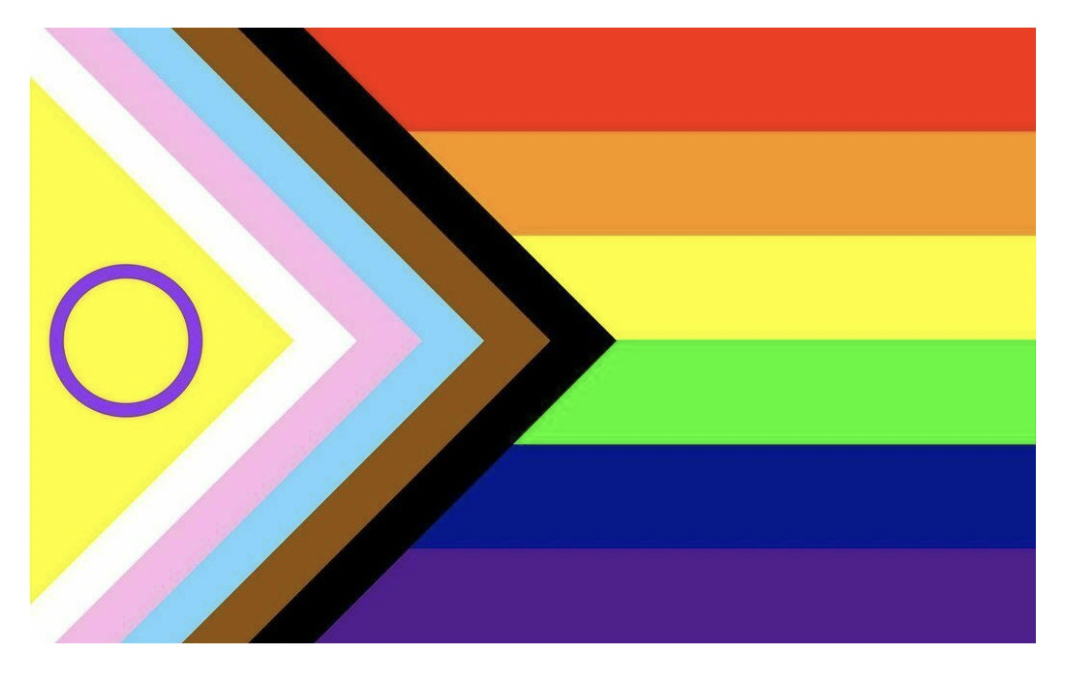
The Center for Identity & Sex Therapy provides inclusive, queer-affirming sex therapy and identity-focused counseling for adults. Our work is grounded in diversity, pride, and social justice, creating a safe, affirming space for clients across sexual orientations, gender identities, and cultural backgrounds.
Grounded in purpose and guided by curiosity, this work is shaped by a deep respect for history, a commitment to social justice, and thoughtful care for complex human experiences.
Curious about our logo or the history of the Pride Flag? Learn more about the values that guide our LGBTQ-affirming therapy practice. Read more.
Did you know?
Depression is one of the most common mental health conditions in the United States, affecting mood, energy, cognition, relationships, and physical functioning. According to the National Institute of Mental Health (NIMH), an estimated 21 million adults in the U.S. experience at least one major depressive episode each year, representing roughly 8–9% of the adult population.
Women experience higher rates of depression than men, with research from the Centers for Disease Control and Prevention (CDC) showing consistently elevated prevalence across adolescence and adulthood. Depression is also strongly associated with chronic stress, trauma exposure, major life transitions, relationship disruption, identity-based stress, and socioeconomic instability.
The World Health Organization (WHO) identifies depression as a leading cause of disability worldwide, impacting more than 280 million people globally and significantly affecting quality of life, physical health outcomes, and functional capacity. World Health Organization (WHO)
While depression is highly treatable, many individuals do not receive care due to stigma, cost, lack of access, or difficulty recognizing symptoms beyond sadness — including numbness, irritability, emotional exhaustion, disconnection, and loss of interest or pleasure.
Shame and depression are linked.
Shame vs. Guilt Impact: A comprehensive meta-analysis of 108 studies involving over 22,000 participants published by the American Psychological Association (APA) verified that shame has a significantly stronger correlation with depressive symptoms (r = .43) than standard guilt (r = .28). [1]
The Weight of External Policing: The same APA meta-analysis found that "external shame"—which is the psychological experience of being judged, policed, or viewed as flawed by external institutions, society, or others—correlated even more drastically with depression (r = .56). This directly validates your text regarding the damage done by systemic and institutional policing. []
Impaired Emotional Processing: Clinical data released in the Journal of psychotherapy integration reveals that even after controlling for existing depressive symptoms, chronic shame accounts for unique variance in core emotional struggles, specifically driving emotional suppression, active avoidance, and unprocessed trauma. It acts as a barrier that locks people into learned helplessness. [1, 2, 3]
Neurological Complexity: Neuroimaging and fMRI studies from researchers at Ludwig-Maximilians-University found that while guilt triggers localized activity in the amygdala, shame sets off a massive, complex network of neural activity across the frontal and temporal areas of both brain hemispheres. This confirms that shame is a far more deeply rooted, cultural, and socially complex trauma response than a simple emotional mistake. [1]
Physical and Somatic Distress: Longitudinal data tracks a direct link between high levels of shame and elevated cortisol production, dissociation, and somatic issues like gastrointestinal distress and chronic fatigue. This directly backs up your homepage statement that struggles with medical anxiety and the physical body do not exist in a vacuum.
-
Depression is highly prevalent. The National Institute of Mental Health reports that approximately 21 million U.S. adults experience at least one major depressive episode each year, making it one of the most common mental health conditions.
-
Depression can affect anyone, but rates are higher among individuals experiencing chronic stress, trauma, discrimination, or major life transitions. Women are statistically more likely than men to experience depression across the lifespan, according to the CDC.
-
Research from global health organizations indicates that depression remains a leading cause of disability worldwide and continues to affect hundreds of millions of people globally. The World Health Organization estimates over 280 million people live with depression worldwide.
-
Depression does not always present as sadness. It can also include emotional numbness, irritability, fatigue, disconnection from self or others, difficulty concentrating, sleep changes, and loss of interest or pleasure in previously meaningful activities.
-
Many people do not seek treatment due to stigma, cost, lack of access to care, or difficulty recognizing symptoms as depression. Others may normalize their experience as “stress,” “burnout,” or “just how life feels,” delaying support.
-
The easiest way to understand the difference is through how they attack your self-perception:
Guilt is about behavior: It says, "I did something bad." It focuses on a specific action or mistake you made.
Shame is about identity: It says, "I am bad." It attacks your entire sense of self, convincing you that you are fundamentally flawed, broken, or wrong.
-
Shame triggers an intense physiological freeze-and-hide response. Because shame tells you that you are inherently unlovable or defective, your brain perceives a massive threat of social rejection. To protect yourself from being exposed or cast out, your survival instinct forces you to shrink, stay quiet, avoid eye contact, withdraw from relationships, and emotionally disconnect.
-
While acute shame happens in response to a specific moment, chronic, lingering shame is usually an inherited cultural weight. It grows out of:
Systemic and institutional conditioning: Traditional religious, family, or societal systems that weaponized rigid rules to control bodies, identity, and sexuality.
Generational messaging: Subconscious beliefs passed down through families about modesty, purity, worth, and what a person "should" be.
Trauma and erasure: Experiences where your natural identity, boundaries, or expression were silenced, shamed, or pushed into the shadows.
-
When institutional or societal rules move inward, they turn into internal warfare. Chronic shame directly feeds a low mood state because "I am the problem" leaves you no room to grow or change. This continuous self-loathing strips away your personal agency, dropping you into a deep cycle of learned helplessness and emotional numbness that defines high-functioning depression.
-
Yes, but you cannot heal outside the broader context of history. True recovery from shame requires recognizing that the rules you are judging yourself by were constructed by systems designed to keep you small. In therapy, we use historical and clinical awareness to externalize the blame. By tracing where the messaging came from, you can dismantle inherited shame, reclaim your personal boundaries, and safely reconstruct your right to pleasure, self-expression, and authenticity.
-
Yes. Depression is highly treatable with therapy, medication, or a combination of both. Early support is associated with improved outcomes, especially when care is accessible, consistent, and tailored to the individual’s lived experience.
FAQs for Depression Therapy
-
Depression does not always look like constant sadness. For many adults, it feels more like emotional disconnection, numbness, exhaustion, irritability, or a loss of interest in things that once felt meaningful.
You may still be functioning externally while internally feeling detached from yourself, your relationships, your body, or your sense of direction. If you’ve been feeling emotionally flat, overwhelmed, disconnected, or unlike yourself for an extended period of time, therapy can help you better understand what’s happening.
-
Absolutely.
Many people experience depression during periods of major change — especially when those changes affect identity, relationships, sexuality, body image, health, culture, or life direction.
Depression can emerge when your internal sense of self no longer feels aligned with the life you’re living, or when you’re struggling to integrate a significant transition. In therapy, we explore not just symptoms, but the deeper emotional and relational context surrounding them.
-
You do not need to be in crisis to benefit from therapy.
Many clients seek support because they feel emotionally disconnected, stuck, numb, overwhelmed, or unlike themselves — even if they’re still managing daily responsibilities. Therapy can help you understand what’s contributing to that disconnection before things become more severe.
-
Therapy provides a space to slow down, process what you’re experiencing, and understand the underlying patterns contributing to your depression.
At The Center for Identity and Sex Therapy, we approach depression through an identity-informed and relational lens. Together, we may explore how emotional distress is connected to life transitions, body image, sexuality, relationships, cultural experiences, or shifts in self-understanding.
The goal is not simply to “push through” symptoms, but to help you reconnect with yourself more fully.
-
Yes. The Center for Identity & Sex Therapy is based in Clifton and offers secure online depression therapy for adults throughout New Jersey, New York, Pennsylvania, and Florida.
Virtual therapy allows clients to access specialized support from the comfort and privacy of their own space while maintaining consistency through busy schedules, transitions, caregiving responsibilities, or health concerns.
-
No. While we absolutely support clients struggling with depression symptoms, our work also focuses on the broader emotional experience underneath them.
For many clients, depression is deeply connected to identity shifts, sexuality concerns, body image struggles, relationship dynamics, grief, or major life changes. Therapy offers space to explore those experiences with depth, curiosity, and compassion.
-
The first step is reaching out for a consultation.
This gives you an opportunity to share what you’ve been experiencing, ask questions about the therapy process, and determine whether working together feels like the right fit.
WE want you to know:
Change is possible.
Contact
When desire changes or identity shifts, intimacy can feel miles away. Stop navigating that untethered feeling alone.
Through online, AASECT-certified sex therapy, we provide a relational, specialized space for adults facing health, cross-cultural, or life transitions that disrupt sexuality and body image. Let's explore what’s evolving.
Ready to begin?
Fill out the contact form below to schedule your complimentary 15-minute consultation to ensure it’s the right match.