SPECIALIZED, AFFIRMING SEX THERAPY BASED IN CLIFTON, NJ AND SERVING ALL OF NJ, NY, PA, FL, & TX
LGBTQ Therapy for Identity, Intimacy, Desire, & Relationship Healing
Tired of Questioning Your Needs, Boundaries, or Identity?
You’re exhausted from shrinking, masking, explaining, or holding yourself together all the time.
You may find yourself not even knowing what language to use for yourself — when meanings keep shifting and labels like gay, lesbian, queer, bisexual, asexual, trans, non-monogamous, or something else entirely feel both necessary and suddenly insufficient at the same time.
Sometimes it looks like standing in front of your closet longer than you meant to — trying on outfit after outfit. What should take fifteen minutes turns into an hour because you’re indecisiveness really means you’re negotiating who you are allowed to be today — and what version of you the world might be able to hold without questioning you.
Sometimes it’s walking into a lesbian bar you were excited about, only to feel the shift in the room when you’re read as “too straight,” too unfamiliar, too outside the unspoken codes of belonging — leaving you standing there holding your drink, unsure if you’re taking up space space in the place you came to feel at home.
Sometimes it’s sitting across from a date you’re genuinely drawn to, feeling your chest tighten as you realize you don’t know how to say it yet — that this is your first time, that you’re still learning your sexuality in real time, that you don’t have the scripts other people seem to have. And the silence stretches while you wonder if honesty will make you too much, or not enough.
Sometimes it’s quieter — a locked bathroom door, experimenting with makeup you don’t fully name, or trying on clothing, presentation, or expression in secret. Not fully hidden, not fully revealed. A private rehearsal of selfhood where desire, curiosity, fear, and relief all exist at once.
You may experience this as a kind of second puberty — like your middle school self got resurrected with access to identity discourse — where body image, self-expression, and presentation are all suddenly up for debate again, and androgyny can feel both like a choice and a circumstance, depending on the day, the mirror, and whether you’re feeling brave or just trying to get through it.
A transition is happening in you, or around you, or both. Sometimes it’s your own coming out — a shift in gender identity or sexual orientation that reshapes how you understand your body, your desire, and your future. Sometimes it’s your partner’s transition — and suddenly you’re in a relationship that is becoming something you didn’t realize you were stepping into, trying to find your footing inside a story that is still unfolding. And sometimes it’s both people changing at once, in different directions, at different speeds.
Sometimes, you're the partner who isn't transitioning—and yet it feels like your entire world is shifting too.
You may deeply love your partner and want to support them wholeheartedly, while privately grieving the relationship as you once knew it. Their name changes. Their body changes. Their voice, style, sexuality, social role, or the way the world sees your relationship begins to change, too. You may find yourself wondering what this means for your own identity. Am I still straight? Am I queer now? What does this make us? Questions you never expected to ask can suddenly become part of everyday life.
You may feel guilty for grieving because no one is actually gone. You may miss the version of your partner you first fell in love with while simultaneously loving the person sitting beside you today. This kind of ambiguous loss can be incredibly isolating—mourning something that has changed without wanting that grief to be mistaken for rejection.
Meanwhile, you're learning new pronouns, navigating conversations with family, answering questions from friends, figuring out intimacy in a changing body, and trying to support your partner while quietly wondering where your own emotions are supposed to go. There can be an unspoken pressure to always say the right thing, to never make the transition about yourself, or to suppress your own confusion in order to protect someone you love.
But relationships transition, too.
Sometimes both partners are renegotiating attraction, identity, sexuality, roles, expectations, and the future they once imagined together—all while trying to preserve the love that brought them there in the first place.
And all of it is happening inside a world that is still deeply heteronormative — where there are quiet and not-so-quiet rules about what love is supposed to look like, how you’re allowed to self-express, who you are allowed to be drawn to, and how your relationships are supposed to make sense. You may find yourself questioning not only who you are, but whether your desires, your shifts, your attractions, your griefs are “valid” in a system that was never built to hold them.
There can be a quiet pressure to be “good,” to be supportive, to be excited, to be evolved — even when parts of you feel unsteady, disoriented, or grief-struck. You may find yourself performing alignment before you’ve actually had time to locate how you feel.
Inside, the experience is often more complex than the language available for it. Love can coexist with loss. Attraction can shift. Identity can blur. Grief can show up alongside relief or curiosity or guilt. And the body can register all of it at once — tight chest, frozen clarity, emotional fog, a sense of watching your life change without fully consenting to the pace of it.
This is not just confusion.It’s transition happening in real time — in identity, in intimacy, in attachment, in self-understanding.
At the Center for Identity and Sex Therapy, we work with people navigating exactly these kinds of shifts: where sexuality, identity, relationships, and meaning are all moving at once, and nothing feels fully settled yet.
This is therapy for the moments when you’re still inside the change — trying to understand who you are becoming, what this relationship is becoming, and how to stay connected to yourself while everything is in motion. And to help you rediscover playfulness.

It’s ok to not be ok.
For many people, Pride feels like pressure.
Not just celebration — but performance, expectation, and ease. A demand to feel confident, connected, or “fully yourself” even when you’re not so sure.
You may notice yourself moving through your days mechanically — waking up tired, getting through responsibilities, responding to people, while privately feeling detached from your own life.
In LGBTQ experience, this can show up in subtle but embodied ways: moving through spaces where you are constantly tracking yourself — how “out” you are, how you’re being read, what you need to translate or soften in order to be understood. Even ordinary moments can carry weight: naming a partner, correcting language, deciding whether to disclose, or choosing how much of yourself is safe to show.
Things that used to feel automatic now take effort:
The constant cost of scanning a room: Deciding exactly how “out” you feel safe to be, changing your presentation depending on the space you are entering.
Rewriting the script on the fly just to talk about your partner, your desires, or your relationships without setting off alarms.
Looking in the mirror and trying to feel at home in a body that is actively shifting as your identity evolves.
The exhaustion of hypervigilance: Trying to stay emotionally present while simultaneously tracking exactly how the world is perceiving you.
Can you trust your own desire? Accessing attraction or intimacy cleanly, without constantly second-guessing your own motives.
Allowing yourself to feel fully "in" your skin during sex, touch, or closeness, rather than observing yourself from a distance.
The daily split: Getting through a normal day without fracturing into a version of you that performs for safety and a version that disappears entirely.
And underneath that, a quieter question can start to form:
“Why does it feel like I keep leaving myself in relationships or intimacy?”
“Why is it so hard to tell what I actually want anymore?”
“Why do I feel more like I’m managing my identity than living it?”
“Why does being seen — even by people I love — feel so complicated now?”
“Why do I feel present on the outside but disconnected from myself on the inside?”
Sometimes this shows up clearly. Other times it’s harder to name.
It can feel like numbness, overwhelm, irritability, emotional exhaustion — or a low, constant heaviness that moves with you through the day, especially in spaces where you are translating yourself just to be understood.
For many LGBTQ adults, this emerges during periods of transition — coming out, shifting labels, exploring gender or sexuality, or navigating changes in relationships where identity, desire, and intimacy are all in motion at the same time.
You may find yourself in an in-between space: no longer who you were, not yet fully grounded in who you are becoming.
And that space can feel quietly isolating — especially in a world that expects clarity, stability, or confidence long before your lived experience has caught up.

Identity often shifts when something internally no longer fits.
You may be navigating:
A major relationship shift or breakup — sometimes tied to coming out, transitioning, or realizing your needs, desires, or identity no longer fit the shape of the relationship you were in
Shifts in gender identity, sexuality, or self-expression — and the embodied experience of learning how to move through the world in a body or presentation that feels newly seen, newly questioned, or still unfamiliar
Moments of intimacy that feel disorienting — not because you don’t want connection, but because you’re still learning your language for desire, boundaries, or experience, sometimes in real time with another person
Cultural, religious, or family pressures that quietly shape how you show up — the way you monitor your tone, your presentation, your relationships, or how “legible” you are allowed to be
Everyday transitions that carry identity weight — dating for the first time in a new orientation, navigating pronouns or disclosure, entering queer spaces while still feeling unsure of your place within them
A growing sense that the life you built — and the version of yourself you had to be inside it — no longer feels emotionally or bodily aligned
In these moments, what shows up can feel like more than emotional heaviness.
It can feel like grief moving through identity. Like your body not quite recognizing itself in mirrors, touch, or intimacy. Like desire becoming harder to read, not because it’s gone, but because it’s still forming language. Like something inside you has gone quiet while you’re still expected to keep moving through life as if nothing has shifted.
And often, people turn inward on themselves:
“Maybe I’m overthinking this.”
“Maybe I’m not really queer/trans/this way.”
“Maybe I’m just confused.”
“Maybe I’m making it more complicated than it is.”
But often, what looks like self-doubt or numbness is actually a nervous system trying to orient inside real change — in identity, in attachment, in embodiment, and in the way you’re now moving through the world.
-
Specialized, affirming support to help you reclaim your sexual side. Whether you are navigating sexual dysfunction, low desire, or pain during sex, therapy offers a safe space to rebuild connection, confidence, and pleasure. We provide expert, identity-informed care to help you move past sexual shame, address intimacy concerns, navigate LGBTQIA+ stress, or safely explore your sexual identity.
Bespoke, expert-level care for the sexual complexities, disorders, dynamics, and desires we rarely name:
Sexual Desire & Functioning: Working through low desire, arousal or orgasm challenges, and pain during sex.
Hormonal & Reproductive Health: Navigating chronic illness, cancer, perimenopause, menopause, and complex reproductive conditions like PCOS, PMDD, endometriosis, and fibroids.
Medical & Diagnostic Anxiety: Support through difficult test results, health screenings, medical trauma, and reclaiming sexual health after surgery or major illness.
Compulsive Behaviors & Trauma: Specialized care for compulsive sexual behaviors, problematic pornography use, deep-seated shame, and healing from religious or spiritual sexual trauma.
-
Reclaiming Confidence, Pleasure, and Personal Authenticity
Major life, health, or cultural changes—like becoming a parent, menopause, chronic illness, surgery, coming out, divorce, or empty nesting—can shift your sense of self and how you connect with others. We support clients in navigating these complex transitions to reclaim confidence, pleasure, and personal authenticity.
Rather than viewing these changes as isolated physical symptoms, our practice addresses how medical shifts, hormonal evolutions, and lifestyle milestones transform your internal identity and your intimate relationships.
-
Reclaiming comfort, confidence, and connection when your relationship with yourself or your identity shifts. Body changes, self-consciousness, or shame can quietly undermine sexual confidence, desire, and enjoyment—profoundly affecting intimacy and overall satisfaction.
Up to 95% of LGBTQ individuals, 90% of women, and 40% of men report body dissatisfaction, which can lead to “spectatoring” during sex, lowering desire and making arousal or orgasm harder. We help you feel at home in your body, restore intimate connection, and cultivate confidence in your sexuality and identity on your own terms.
Bespoke, expert-level care for the identity shifts, relational dynamics, and somatic challenges we rarely name:
Somatic Health & Body Sovereignty: Specialized care for body image, disordered eating, trauma, identity-based harm, and healing from profound experiences of erasure.
Neurodivergence & Gender Expansion: Affirming, expert-level support for neurodivergence and sexuality (ADHD, AuDHD, ASD), alongside gender-affirming care for LGBTQ+ identity and coming out.
Relational Dynamics & Modern Intimacy: Navigating caregiver stress, burnout, dating, modern relationships, sex work, and queer-spectrum sports psychology.
Culture, Identity, & Family Evolution: Thoughtful support for expat, immigrant, and multicultural identities, as well as parenthood decisions, child-free living, and complex family planning.
-
Holding space for the silent, complicated, and invisible heartbreaks traditional talk therapy overlooks. When grief intersects with reproductive choices, body changes, or identity shifts, the pain can feel deeply isolating. We provide an advanced, gentle clinical environment to help you process profound life losses, honor your unique timeline, and safely carry your grief without being forced to rush through it.
Bespoke, expert-level care for the reproductive losses, life transitions, and hidden grief we rarely name:
Reproductive Loss & Processing: Specialized support navigating the unique emotional weight of abortion, miscarriage, infertility, and the complex medical cycles of IVF.
Birthing Trauma & Postpartum Healing: Compassionate care for pregnancy complications, birth trauma, maternal mental health, matrescence, parenthood, and navigating sex after birth.
Grief, Loss, & Bereavement: Dedicated space to process the death of a loved one, secondary losses, and navigating life after major relational or family changes.
Aging & Maturation Identity Shifts: Honoring the complex grief tied to the passage of time, bodily changes, perimenopause/menopause, or outgrowing a version of yourself that once felt familiar.
Here’s how we can help:


Hello,
You can find your way back yourself, even after everything changes. You are not broken. You are becoming. Every part of you is welcome here.
I founded this practice to walk with people through the "in-between"—those profound moments when a shift in your identity, sexuality, body, or relationships means you cannot go back to how things used to feel. We specialize in that exact space where your language hasn't yet caught up to your experience, but you know you have fundamentally changed.
As a feminist healthcare provider, I believe your sexuality is entirely inseparable from your identity. This mission is to help you reclaim the parts of yourself that have been silenced, shamed, or left behind by life transitions, illness, trauma, and cultural expectations.
I built this practice to offer rare, expert-level care rooted in the exact AASECT-certified sex therapy standards and clinical social work principles I have practiced throughout my career. Using my signature ALIGN Framework and my EMPOWER Your Sexual Health® curriculum, the practice combines evidence-based sex therapy with somatic, humanistic, and meaning-centered approaches to reconnect you with your desire, identity, and sense of self.
The practice’s style is warm, collaborative, and thoughtfully direct. Let’s make space for the complexity of your experience and build a life that feels aligned, embodied, and authentically your own.
Warmly,
Genevieve Marie Gellert, MSW, LCSW, CST (she/her)
Founder, The Center for Identity and Sex Therapy
How LGBTQ therapy can help you…
Therapy gives you space to slow down and stop forcing yourself to “push through” what’s actually asking to be understood. Instead of managing your way through it alone, you can begin to make sense of what’s happening in context:
Untangling identity shifts without rushing yourself into labels, certainty, or performance
Making sense of intimacy, desire, and connection when they feel unfamiliar, blocked, or in flux
Process grief, uncertainty, or identity changes
Naming the impact of heteronormativity, family, culture, or religion on how you relate to your body and relationships
Relearning how to hear yourself — what feels aligned, what feels numb, and what your system has been trying to communicate all along
At the Center for Identity and Sex Therapy, we support LGBTQ mental health, identity, and sexual well-being through a relational, identity-informed lens that honors the complexity of your lived experience.
We understand that struggles with mood, connection, embodiment, and desire don’t happen in isolation — they’re often shaped by identity development, relationships, safety, visibility, and the environments you move through.
This isn’t about changing who you are or pushing yourself toward “better” feelings.
It’s about creating space to understand yourself more fully — and reconnecting with parts of you that may feel distant, muted, or still in the process of becoming.

Virtual therapy that moves with you.
The Center for Identity & Sex Therapy is based in Clifton, NJ and provides secure online therapy for adults throughout New Jersey, New York, Pennsylvania, Texas, and Florida. The Center for Identity & Sex Therapy offers secure online sessions across multiple states, expanding access to care without the barriers of commutes, waiting rooms, or rigid schedules. Virtual therapy ensures more equitable access — especially for clients who are immunocompromised, managing chronic illness or disability, balancing caregiving, relocating for work, or living between homes.
Meet from wherever feels safest and most supportive — at home, in a private office, or even outdoors on a walk if movement helps regulate overwhelm. The work meets you where you are — literally.
guiding principles
INTEGRITY
The Center for Identity & Sex Therapy is guided by ethical, evidence-based care and a commitment to honesty, accountability, and the well-being of every client.
COMPASSION
Healing begins where shame and judgment end; this work is grounded in empathy, dignity, and deep respect for your lived experience.
AUTONOMY
Your body, identity, and relationships belong to you, and therapy is a space to explore what feels most authentic — free from pressure or expectation.
INCLUSIVITY
Every identity, body, orientation, and relationship structure is welcome here, and your experience will be met with respect, curiosity, and care.
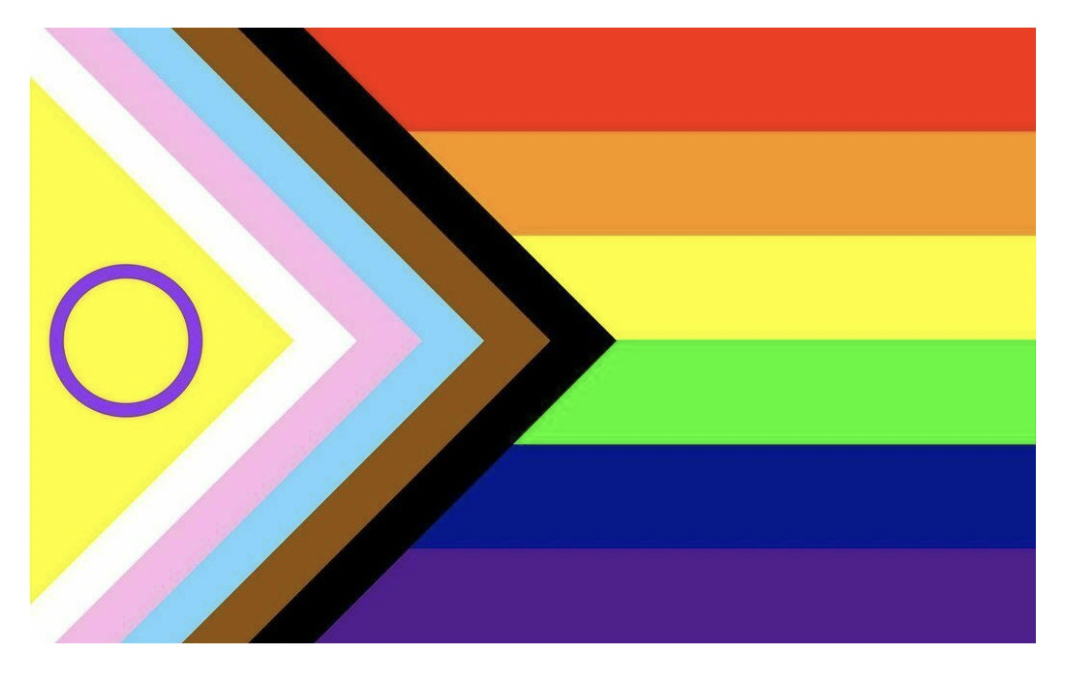
The Center for Identity & Sex Therapy provides inclusive, queer-affirming sex therapy and identity-focused counseling for adults. Our work is grounded in diversity, pride, and social justice, creating a safe, affirming space for clients across sexual orientations, gender identities, and cultural backgrounds.
Grounded in purpose and guided by curiosity, this work is shaped by a deep respect for history, a commitment to social justice, and thoughtful care for complex human experiences.
Curious about our logo or the history of the Pride Flag? Learn more about the values that guide our LGBTQ-affirming therapy practice. Read more.
Did you know?
LGBTQ+ individuals experience significantly higher rates of anxiety, depression, PTSD, and substance use disorders compared to heterosexual populations — largely due to minority stress, discrimination, family rejection, bullying, and systemic barriers to affirming care. Research from the National Alliance on Mental Illness (NAMI) and the American Psychiatric Association (APA) indicates LGBTQ+ adults are approximately 2.5 times more likely to experience mental health conditions than heterosexual peers.
Mental health disparities are even more pronounced among LGBTQ+ youth. According to research from The Trevor Project and the Centers for Disease Control and Prevention (CDC), 68% of LGBTQ+ youth report symptoms of anxiety, 54% report depression, and 41% report seriously considering suicide in the past year — with even higher rates among transgender and nonbinary youth.
Despite these elevated risks, LGBTQ+ individuals are also significantly more likely to seek therapy and mental health support than heterosexual populations. However, many continue to face barriers to care, including financial limitations, stigma, fear of discrimination, and difficulty finding affirming providers who understand the intersection of identity, trauma, embodiment, relationships, and sexuality. (Sources: The Trevor Project; National Alliance on Mental Illness (NAMI))
Affirming LGBTQ+ sex therapy supports people navigating identity development, coming out, gender transition, intimacy and desire concerns, sexual shame, relationship restructuring, minority stress, and healing from identity-based invalidation. Rather than pathologizing sexuality or gender, this work understands mental health, embodiment, intimacy, and relationships within the context of lived experience, safety, and social environment.
Gender transition and hormone therapy are increasingly common parts of healthcare for transgender, nonbinary, and gender-expansive individuals. Recent estimates suggest that more than 1.6 million people in the United States identify as transgender, including approximately 300,000 youth, according to the (https://williamsinstitute.law.ucla.edu). Research from the (https://transequality.org), (https://www.wpath.org), and (https://www.nih.gov) shows that a growing number of transgender individuals pursue some form of gender-affirming care, including hormone therapy, social transition, surgery, voice work, or identity-affirming mental health support.
Gender-affirming hormone therapy has been consistently associated with improved mental health outcomes, including reductions in anxiety, depression, suicidality, and psychological distress. At the same time, transition is often a deeply embodied and relational process — one that can affect sexuality, body image, emotional regulation, relationships, desire, visibility, and sense of self in complex ways over time.
For many people, transition can feel both relieving and destabilizing at once: a process of becoming more visible to yourself while also navigating social scrutiny, shifting language, changing relationships, and a body that may begin feeling unfamiliar in new ways. Hormonal changes can influence libido, sensation, mood, attraction, intimacy, and emotional processing — sometimes in ways that feel exciting, awkward, grief-filled, euphoric, or difficult to fully name all at once.
Despite increasing visibility, transgender and nonbinary individuals continue to experience disproportionately high rates of discrimination, bullying, minority stress, and mental health burden, making affirming, trauma-informed support especially important throughout transition and identity development.
-
Yes. LGBTQ+ individuals are about 2.5 times more likely to experience anxiety, depression, and substance use disorders due to minority stress and systemic discrimination.
-
Research shows 68% report anxiety symptoms, 54% report depression, and 41% report suicidal ideation in the past year, with higher rates among transgender and nonbinary youth.
-
Yes. LGBTQ+ individuals are nearly twice as likely to seek mental health care as heterosexual peers, though access to affirming providers remains limited.
-
LGBTQ sex therapy addresses identity, intimacy, desire, and relationships within lived experience — including coming out, gender transition, sexual shame, relationship restructuring, and identity-based stress. It reduces harm from misgendering, invalidation, and non-affirming care.
-
It integrates identity, embodiment, sexuality, and relational experience as central — not secondary — recognizing how systemic stress, heteronormativity, and identity development shape mental health and intimacy.
-
Gender-affirming hormone therapy involves the use of hormones such as estrogen or testosterone to help align physical characteristics with a person’s gender identity. Hormone therapy may affect appearance, emotional experience, libido, body composition, and sexual functioning.
-
Research from the APA, WPATH, and NIH consistently shows that gender-affirming care is associated with improved mental health outcomes, including reductions in anxiety, depression, and suicidality among transgender individuals.
-
Hormone therapy can affect libido, arousal, emotional intimacy, orgasm, body sensation, and sexual interests. These experiences vary widely from person to person and may shift over time during transition.
-
Yes. Transition can involve relief, grief, excitement, fear, uncertainty, vulnerability, and identity exploration all at once. Many people experience periods of emotional adjustment as relationships, embodiment, and self-understanding evolve.
-
Many people describe transition and hormone therapy as feeling similar to a second puberty because emotions, body image, sexuality, social experiences, and self-expression may shift rapidly over time. This period can feel exciting, awkward, vulnerable, and deeply developmental all at once.
-
Yes. Gender transition can change relationship dynamics, attraction patterns, communication needs, sexual dynamics, and social identity within partnerships. Couples and partners may need support navigating these shifts together.
-
Research from The Trevor Project and NIH shows transgender and nonbinary individuals experience disproportionately high rates of anxiety, depression, bullying, discrimination, and suicidality due to minority stress and systemic stigma.
-
Yes. Gender-affirming therapy can support identity exploration, emotional adjustment, body image, sexuality, relationships, family dynamics, grief, trauma recovery, and coping with social stress during transition.
-
Gender-affirming care is a broad term that includes medical, psychological, social, and relational support that helps a person live more authentically in relation to their gender identity or expression. Not all transgender or gender-diverse people pursue the same forms of care, and there is no single “correct” transition path.
Gender-affirming care can include:
Hormone replacement therapy (HRT), including testosterone or estrogen
Gender-affirming surgeries or surgical consultations
Voice therapy or vocal training
Name or pronoun changes
Changes in clothing, grooming, makeup, binding, padding, or presentation
Hair removal or hair growth treatment
Mental health therapy and identity exploration
Sexual health and relationship support
Fertility preservation or reproductive planning
Social transition at work, school, or within relationships
Support navigating dysphoria, embodiment, or visibility
For many people, gender-affirming care is not only about physical transition — it is about safety, congruence, self-recognition, and the ability to move through the world with less fragmentation and distress.
-
Gender-affirming therapy supports a wide range of identities, experiences, and stages of exploration — including people who are questioning and people who feel very certain about their identity.
This can include people who identify as:
Transgender
Nonbinary
Genderqueer
Genderfluid
Agender
Transmasculine or transfeminine
Cisgender people exploring gender expression
Cross-dressers or people exploring presentation privately
People questioning their gender identity or relationship to masculinity/femininity
Individuals exploring sexuality alongside gender identity
People early in transition, mid-transition, detransitioning, or redefining identity over time
Many people do not initially have clear language for their experience. Identity can evolve gradually, relationally, culturally, or through embodiment over time. Gender-affirming therapy creates space for exploration without forcing certainty, labels, or a specific outcome.
FAQs for LGBTQ Therapy
-
People often come in during moments of transition — coming out, questioning identity, exploring gender or sexuality, navigating relationship changes, or trying to understand shifts in desire, intimacy, or self-expression. Many describe feeling like something about them is changing internally, but they don’t yet have language for it.
-
No. You don’t need certainty to begin. Many clients are still exploring, questioning, or in the middle of identity shifts. Therapy can be a space where clarity unfolds over time — not something you have to arrive with.
-
Yes. Many LGBTQ+ clients describe changes in embodiment — feeling distant from their body, unsure of attraction, or disconnected from desire or intimacy. We work with how identity, safety, and lived experience shape those internal signals over time.
-
Yes. We work with relational shifts that happen alongside gender transitions, coming out, or evolving sexual identity. This can include navigating grief, confusion, attraction changes, shifting roles, or learning how to stay connected while everything is moving.
-
This is incredibly common. Many people struggle with belonging, especially if they feel “too straight passing,” “too new,” or unsure of language. Therapy can help you make space for your experience without forcing you into fixed categories or expectations.
-
Yes — this is a core part of our work. We support people navigating desire, sexual communication, shame, performance pressure, uncertainty, lack of experience, or feeling disconnected during intimacy. Sex therapy here includes both emotional and embodied experiences of connection.
-
That’s exactly what this space is for. You don’t need to have a clear story. Many clients are in ongoing processes of becoming — where identity, relationships, and embodiment are all shifting at once.
-
This work is explicitly identity-informed and sex-therapy focused. We don’t treat identity, sexuality, or relationship shifts as side issues — they are central to the work. We also pay attention to how culture, safety, and visibility shape your internal experience, not just your thoughts or symptoms.
-
Yes. The Center for Identity & Sex Therapy is based in Clifton and offers secure online depression therapy for adults throughout New Jersey, New York, Pennsylvania, and Florida.
Virtual therapy allows clients to access specialized support from the comfort and privacy of their own space while maintaining consistency through busy schedules, transitions, caregiving responsibilities, or health concerns.
-
The first step is reaching out for a consultation.
This gives you an opportunity to share what you’ve been experiencing, ask questions about the therapy process, and determine whether working together feels like the right fit.
WE want you to know:
Discovery is possible.
Contact
When desire changes or identity shifts, intimacy can feel miles away. Stop navigating that untethered feeling alone.
Through online, AASECT-certified sex therapy, we provide a relational, specialized space for adults facing health, cross-cultural, or life transitions that disrupt sexuality and body image. Let's explore what’s evolving.
Ready to begin?
Fill out the contact form below to schedule your complimentary 15-minute consultation to ensure it’s the right match.