BASED IN CLIFTON, NJ AND SERVING ALL OF NJ, NY, PA, FL, & TX
Sex Therapy for Aging, Body Image, & Identity Shifts
Growing older doesn't just change your body. It changes the way you experience yourself.
You catch your reflection and hesitate for a second. Not because you don't recognize yourself exactly—but because you recognize a version of yourself that feels unfamiliar. Maybe your body has changed after menopause, illness, surgery, pregnancy, weight fluctuations, or simply the passing of time. Maybe your energy, desire, confidence, or sense of attractiveness has shifted, leaving you wondering whether you'll ever feel like yourself again.
Perhaps you're becoming an empty nester while simultaneously caring for aging parents. You're retiring after decades of deep fulfillment through work. When date nights are replaced by doctor's appointments, you stop living in your body and start managing it like a mechanic fixing a machine. Your children no longer need you in the same ways; your parents suddenly do. Your body asks for entirely different things than it did ten years ago. Maybe intimacy doesn't feel the way it once did. Your body may hurt, feeling slower or stiffer.
You’re told that aging is natural. But privately, it can feel like you're grieving someone who is still here, at least in part.
Growing Differently Than Expected
When you are deep inside this transition, the questions start spinning:
"Who am I becoming?"
“What do I do now that I’m retired?”
"Will I ever feel comfortable in my body again?"
"Why doesn't anyone talk about this part?"
At The Center for Identity & Sex Therapy, we work with adults navigating the emotional, relational, and embodied experience of aging—where identity, sexuality, body image, grief, relationships, and life transitions often intersect in ways that are difficult to name.
This is specialized therapy for people who know they haven't stopped growing—and for those who know that they’re growing differently than they expected.

You may notice yourself moving through life with a quiet awareness that something has shifted.
Things that once felt effortless now feel surprisingly complicated:
The mirror as a critique: Looking at your reflection and instantly cataloging every flaw, wrinkle, or shift—struggling to view your body without a wave of grief or harsh judgment.
A quiet, heavy block in the bedroom: Feeling completely disconnected from your own sexual confidence, moving through intimacy with a constant, hyper-focused self-monitoring.
The body as an unpredictable stranger: Finding it nearly impossible to listen to or trust your physical signals, because your body feels like it has broken its own rules or failed you in the past.
The photographic evidence: Catching sight of yourself in photographs and feeling a sharp, disorienting sting because you don't fully recognize the version of you captured in the frame.
The excruciating friction of independence: Swallowing your needs and resisting help from others because letting your guard down or receiving care feels like an admission of failure.
Fading into the background: Moving through your days feeling entirely invisible, misunderstood, or unacknowledged by a world that expects you to quietly tolerate midlife or bodily transitions.
Paralyzed by the timeline: Looking toward the future with a cold undercurrent of apprehension and fear, rather than a genuine sense of curiosity or excitement.
You may find yourself wondering:
"Why do I feel disconnected from my body?"
"Why do I feel invisible now?"
“What’s my sense of purpose now?”
"What if this is simply how life is from here?"
"Can intimacy still feel good as I age?"
Sometimes these changes happen gradually. Other times they arrive all at once—a diagnosis, menopause, retirement, disability, caregiving, divorce, the death of a spouse, or realizing your body no longer responds the way it once did.
There is often grief.
Not because growing older is inherently tragic. But because becoming someone new often requires saying goodbye to versions of ourselves we loved, depended upon, or expected would always be there.
It’s ok to not be ok.
For many people, aging doesn’t feel like getting older. It feels like a constant renegotiation.

You may be navigating:
Aging and changing body image
Increased pain
Menopause, perimenopause, or hormonal transitions
Changes in sexual desire, arousal, or intimacy
Retirement or changing professional identity
Becoming an empty nester
Caring for aging parents while navigating your own aging
Chronic illness, disability, or medical recovery
Weight changes or shifts in physical ability
Dating, relationships, or sexuality later in life
A growing awareness that the identity you've carried for decades is evolving
These experiences often bring a form of ambiguous loss.
While there is no single consensus—many seniors report increased emotional well-being, wisdom, and resilience in late life. Those who experience these losses often face unacknowledged or disenfranchised grief. There is a paradox of aging: it brings a broader perspective of life but steadily confronts you with death.
Research highlights that grief in later life extends beyond bereavement to include:
The loss of identity and roles: Retiring or giving up an active driver’s license or home can cause a deep sense of displacement.
Physical decline: Experiencing changes to the body, energy levels, and overall health status.
Accumulated social isolation: Losing close friends and life partners.
Psychologists and organizations like the National Institutes of Health emphasize that grieving these cumulative changes does not mean an older adult is depressed, but rather that the process of "losing the self" is a central developmental task of later life.
However, with proper support, therapy, and meaning-making, older adults can process these feelings and maintain a high quality of life.
You're grieving something that hasn't disappeared entirely—but has undeniably changed:
Your body is still yours. Your relationship still exists. Your life continues. And yet something feels different. Many people begin blaming themselves:
"Maybe I'm just being vain."
"Maybe I should be grateful."
"Maybe this is simply what getting older feels like."
These thoughts aren't signs of weakness.
Aging forces renegotiates with your your body, your identity, your relationships and the life you're continuing to build. These renegotiations are not always welcome. That’s ok. They can still feel easier.
Identity often shifts long before we have language for what's changing.
-
Specialized, affirming support to help you reclaim your sexual side. Whether you are navigating sexual dysfunction, low desire, or pain during sex, therapy offers a safe space to rebuild connection, confidence, and pleasure. We provide expert, identity-informed care to help you move past sexual shame, address intimacy concerns, navigate LGBTQIA+ stress, or safely explore your sexual identity.
Bespoke, expert-level care for the sexual complexities, disorders, dynamics, and desires we rarely name:
Sexual Desire & Functioning: Working through low desire, arousal or orgasm challenges, and pain during sex.
Hormonal & Reproductive Health: Navigating chronic illness, cancer, perimenopause, menopause, and complex reproductive conditions like PCOS, PMDD, endometriosis, and fibroids.
Medical & Diagnostic Anxiety: Support through difficult test results, health screenings, medical trauma, and reclaiming sexual health after surgery or major illness.
Compulsive Behaviors & Trauma: Specialized care for compulsive sexual behaviors, problematic pornography use, deep-seated shame, and healing from religious or spiritual sexual trauma.
-
Reclaiming Confidence, Pleasure, and Personal Authenticity
Major life, health, or cultural changes—like becoming a parent, menopause, chronic illness, surgery, coming out, divorce, or empty nesting—can shift your sense of self and how you connect with others. We support clients in navigating these complex transitions to reclaim confidence, pleasure, and personal authenticity.
Rather than viewing these changes as isolated physical symptoms, our practice addresses how medical shifts, hormonal evolutions, and lifestyle milestones transform your internal identity and your intimate relationships.
-
Reclaiming comfort, confidence, and connection when your relationship with yourself or your identity shifts. Body changes, self-consciousness, or shame can quietly undermine sexual confidence, desire, and enjoyment—profoundly affecting intimacy and overall satisfaction.
Up to 95% of LGBTQ individuals, 90% of women, and 40% of men report body dissatisfaction, which can lead to “spectatoring” during sex, lowering desire and making arousal or orgasm harder. We help you feel at home in your body, restore intimate connection, and cultivate confidence in your sexuality and identity on your own terms.
Bespoke, expert-level care for the identity shifts, relational dynamics, and somatic challenges we rarely name:
Somatic Health & Body Sovereignty: Specialized care for body image, disordered eating, trauma, identity-based harm, and healing from profound experiences of erasure.
Neurodivergence & Gender Expansion: Affirming, expert-level support for neurodivergence and sexuality (ADHD, AuDHD, ASD), alongside gender-affirming care for LGBTQ+ identity and coming out.
Relational Dynamics & Modern Intimacy: Navigating caregiver stress, burnout, dating, modern relationships, sex work, and queer-spectrum sports psychology.
Culture, Identity, & Family Evolution: Thoughtful support for expat, immigrant, and multicultural identities, as well as parenthood decisions, child-free living, and complex family planning.
-
Holding space for the silent, complicated, and invisible heartbreaks traditional talk therapy overlooks. When grief intersects with reproductive choices, body changes, or identity shifts, the pain can feel deeply isolating. We provide an advanced, gentle clinical environment to help you process profound life losses, honor your unique timeline, and safely carry your grief without being forced to rush through it.
Bespoke, expert-level care for the reproductive losses, life transitions, and hidden grief we rarely name:
Reproductive Loss & Processing: Specialized support navigating the unique emotional weight of abortion, miscarriage, infertility, and the complex medical cycles of IVF.
Birthing Trauma & Postpartum Healing: Compassionate care for pregnancy complications, birth trauma, maternal mental health, matrescence, parenthood, and navigating sex after birth.
Grief, Loss, & Bereavement: Dedicated space to process the death of a loved one, secondary losses, and navigating life after major relational or family changes.
Aging & Maturation Identity Shifts: Honoring the complex grief tied to the passage of time, bodily changes, perimenopause/menopause, or outgrowing a version of yourself that once felt familiar.
Here’s how we can help:


Hello,
You can find your way back yourself, even after everything changes. You are not broken. You are becoming. Every part of you is welcome here.
I founded this practice to walk with people through the "in-between"—those profound moments when a shift in your identity, sexuality, body, or relationships means you cannot go back to how things used to feel. We specialize in that exact space where your language hasn't yet caught up to your experience, but you know you have fundamentally changed.
As a feminist healthcare provider, I believe your sexuality is entirely inseparable from your identity. This mission is to help you reclaim the parts of yourself that have been silenced, shamed, or left behind by life transitions, illness, trauma, and cultural expectations.
I built this practice to offer rare, expert-level care rooted in the exact AASECT-certified sex therapy standards and clinical social work principles I have practiced throughout my career. Using my signature ALIGN Framework and my EMPOWER Your Sexual Health® curriculum, the practice combines evidence-based sex therapy with somatic, humanistic, and meaning-centered approaches to reconnect you with your desire, identity, and sense of self.
The practice’s style is warm, collaborative, and thoughtfully direct. Let’s make space for the complexity of your experience and build a life that feels aligned, embodied, and authentically your own.
Warmly,
Genevieve Marie Gellert, MSW, LCSW, CST (she/her)
Founder, The Center for Identity and Sex Therapy
How identity & sex therapy can help you…
Therapy offers space to grow into this next version of yourself—not despite aging, but alongside it.
Navigate changing body image, sexuality, and self-confidence with greater compassion and curiosity.
Process the grief, ambiguity, and identity shifts that often accompany aging and major life transitions.
Reconnect with intimacy, desire, and embodiment in ways that honor who you are today—not who you think you're supposed to be.
Build a relationship with yourself that feels grounded, authentic, and resilient through every stage of adulthood.
At The Center for Identity & Sex Therapy, we approach aging through an identity-informed, relational, and deeply embodied lens.
Growing older isn't simply a biological process. It's a psychological, relational and existential.
Every season of life asks something different of us.
Our work isn't about helping you "age gracefully" or convincing you to love every change your body experiences.
It's about creating space to understand who you're becoming, make meaning of what has changed, and reconnect with yourself in ways that feel deeply authentic.
Because aging is not the opposite of becoming. It is one of the ways we continue becoming.

Virtual therapy that moves with you.
The Center for Identity & Sex Therapy is based in Clifton, NJ and provides secure online therapy for adults throughout New Jersey, New York, Pennsylvania, Texas, and Florida. The Center for Identity & Sex Therapy offers secure online sessions across multiple states, expanding access to care without the barriers of commutes, waiting rooms, or rigid schedules. Virtual therapy ensures more equitable access — especially for clients who are immunocompromised, managing chronic illness or disability, balancing caregiving, relocating for work, or living between homes.
Meet from wherever feels safest and most supportive — at home, in a private office, or even outdoors on a walk if movement helps regulate overwhelm. The work meets you where you are — literally.
guiding principles
INTEGRITY
The Center for Identity & Sex Therapy is guided by ethical, evidence-based care and a commitment to honesty, accountability, and the well-being of every client.
COMPASSION
Healing begins where shame and judgment end; this work is grounded in empathy, dignity, and deep respect for your lived experience.
AUTONOMY
Your body, identity, and relationships belong to you, and therapy is a space to explore what feels most authentic — free from pressure or expectation.
INCLUSIVITY
Every identity, body, orientation, and relationship structure is welcome here, and your experience will be met with respect, curiosity, and care.
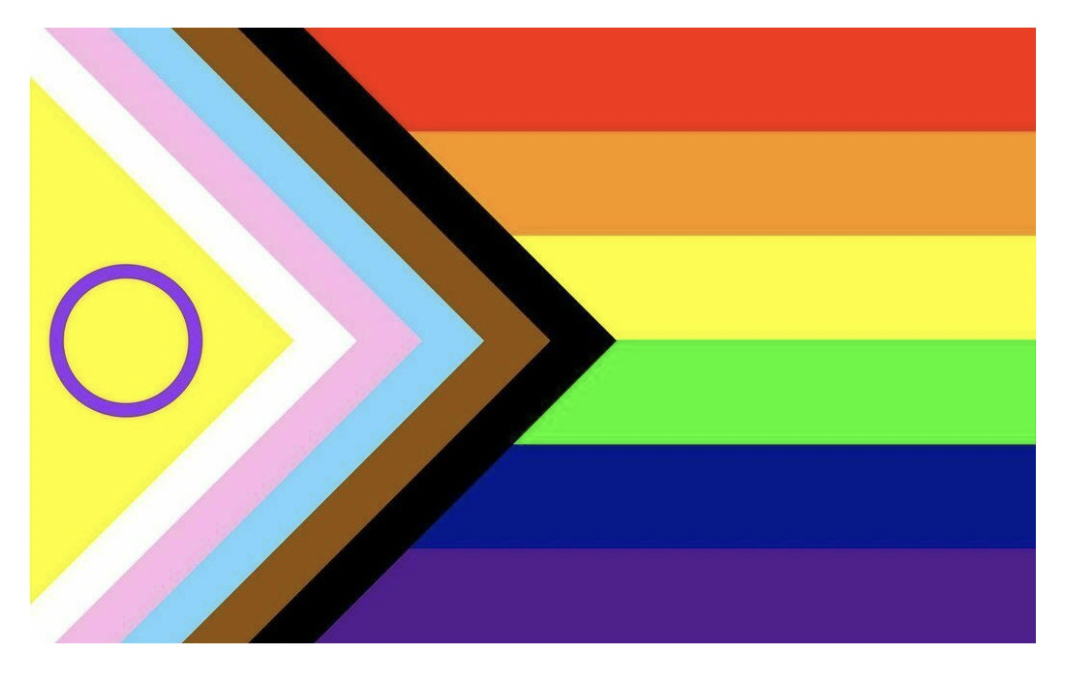
The Center for Identity & Sex Therapy provides inclusive, queer-affirming sex therapy and identity-focused counseling for adults. Our work is grounded in diversity, pride, and social justice, creating a safe, affirming space for clients across sexual orientations, gender identities, and cultural backgrounds.
Grounded in purpose and guided by curiosity, this work is shaped by a deep respect for history, a commitment to social justice, and thoughtful care for complex human experiences.
Curious about our logo or the history of the Pride Flag? Learn more about the values that guide our LGBTQ-affirming therapy practice. Read more.
Did you know?
Aging brings natural changes to the body, sexuality, desire, identity, and relational life — yet these transitions are often under-discussed in both medical and cultural spaces. According to the (https://www.nia.nih.gov), adults are living longer than ever, with the number of Americans aged 65+ projected to reach nearly 95 million by 2060, meaning more people are navigating midlife and later-life shifts in sexual health, identity, and intimacy than in any previous generation.
Research shows that sexual function, desire, and body image can shift across the lifespan due to hormonal changes, chronic illness, medication effects, caregiving stress, menopause, and andropause. The (https://www.nih.gov) notes that sexual wellbeing remains important across aging populations, yet many individuals report that changes in desire, arousal, or physical function are rarely addressed in routine healthcare settings.
At the same time, cultural narratives often contribute to the invisibility of older adults as sexual beings. Aging is frequently paired with infantilization — where older adults are treated as less autonomous, less visible, or assumed to be disconnected from desire, intimacy, or sexual identity altogether. These assumptions can lead to silence around sexuality in later life and reinforce the misconception that sexual expression has an expiration date, despite research showing that intimacy, desire, and relational connection remain important across the lifespan.
For many people, these changes are not only physical — they are deeply tied to identity. Shifts in body image, energy, libido, or appearance can affect how someone relates to themselves as a sexual being, a partner, or an embodied person in the world. This can bring up questions such as: Am I still desirable? Has my sexuality changed? Who am I in this body now?
Menopause and perimenopause alone affect over 1.3 million people entering menopause each year in the U.S., often bringing changes in libido, sleep, mood, and sexual function ((https://womenshealth.gov)). Meanwhile, midlife and older adulthood are also periods where relationship transitions, caregiving roles, illness, and identity shifts often converge, shaping how people experience intimacy and connection.
Despite these realities, aging-related sexual concerns are frequently minimized or pathologized, rather than understood as part of normal human development. Therapy provides space to explore these changes with curiosity rather than shame — supporting people in reconnecting with desire, redefining intimacy, and adapting to body changes in ways that feel integrated, empowered, and self-directed.
-
Aging can influence sexuality through hormonal shifts, changes in energy, medications, chronic health conditions, stress, and life transitions such as caregiving or retirement. While these changes are common, sexual wellbeing remains important across the lifespan, and many people continue to experience desire, intimacy, and connection in evolving forms.
-
Yes. Research from the National Institutes of Health shows that changes in sexual function, arousal, and desire are common across adulthood, particularly during midlife and older age. These changes do not indicate dysfunction — they often reflect natural biological and psychological shifts over time.
-
Menopause is a natural biological transition that typically occurs between ages 45–55, marking the end of menstrual cycles. It can affect libido, vaginal comfort, sleep, mood, and sexual response. According to the Office on Women’s Health, over 1.3 million people in the U.S. enter menopause each year, making it one of the most common sexual health transitions in adulthood.
-
Yes. Aging men may experience changes in testosterone levels, erectile function, libido, energy, and body composition. These shifts are common and can be influenced by health, stress, medication, and emotional wellbeing.
-
For many people, aging can shift how they relate to their body, attractiveness, desirability, and sense of identity. These changes can bring up grief, acceptance, anxiety, or reflection about how sexuality and embodiment evolve over time.
-
Yes. Chronic illness, cancer treatments, antidepressants, hormone changes, and other medications can all affect libido, arousal, physical comfort, and sexual satisfaction. These effects are common but often under-discussed in medical settings.
-
Yes. Therapy can help people adjust to body changes, process identity shifts, explore evolving desire, improve communication with partners, and redefine intimacy in ways that feel meaningful and embodied at every stage of life.
-
No. While aging can bring natural changes in desire, arousal, body response, and sexual function, sexuality does not end. Research from the National Institutes of Health and the National Institute on Aging shows that intimacy, desire, and sexual expression can remain important parts of life across older adulthood, even as they evolve over time. Many people find that sexuality becomes less focused on performance and more focused on connection, comfort, embodiment, and emotional closeness. Changes in sexuality with age are common — but they reflect evolution, not disappearance.
-
Yes — it is very common for aging to impact body image. Changes in skin, weight, energy, sexual function, hormonal shifts, and physical appearance can all influence how someone experiences themselves in their body over time. For many people, these changes can bring up grief, comparison, anxiety, or a sense of disconnection from how they used to look or feel. Cultural messages that prioritize youthfulness and narrow definitions of attractiveness can intensify these experiences and make it harder to feel grounded or confident in a changing body. Therapy can help people process these shifts, challenge internalized age-based stigma, and reconnect with their body in ways that are more compassionate, embodied, and self-defined.
FAQS for Aging & Identity Shifts Therapy
-
Yes. Aging often brings changes to identity, body image, relationships, sexuality, work, family roles, and health. Therapy offers space to process these changes while building a more compassionate relationship with yourself.
-
Absolutely. Many adults notice shifts in confidence, self-perception, or comfort with their bodies throughout different stages of life. These changes are common, but they don't have to be navigated alone.
-
Yes. Sexuality continues to evolve throughout adulthood. Sex therapy can help you explore changing desire, arousal, pleasure, body confidence, communication, and intimacy in ways that reflect your current stage of life.
-
Not at all. Identity shifts can happen throughout adulthood. We work with clients navigating body changes, aging, and life transitions in their 30s, 40s, 50s, 60s, and beyond.
-
Yes. The Center for Identity & Sex Therapy is based in Clifton and offers secure online therapy for adults throughout New Jersey, New York, Pennsylvania, Florida, and Texas.
Virtual therapy allows clients to access specialized support from the comfort and privacy of their own space while maintaining consistency through busy schedules, transitions, caregiving responsibilities, or health concerns.
-
The first step is reaching out for a consultation.
This gives you an opportunity to share what you’ve been experiencing, ask questions about the therapy process, and determine whether working together feels like the right fit.
-
At The Center for Identity & Sex Therapy, we understand that aging is about far more than physical change. We explore how body image, sexuality, identity, relationships, grief, and meaning evolve across the lifespan—helping you reconnect with yourself rather than simply adjust to change.
WE want you to know:
Change is possible.
Contact
When desire changes or identity shifts, intimacy can feel miles away. Stop navigating that untethered feeling alone.
Through online, AASECT-certified sex therapy, we provide a relational, specialized space for adults facing health, cross-cultural, or life transitions that disrupt sexuality and body image. Let's explore what’s evolving.
Ready to begin?
Fill out the contact form below to schedule your complimentary 15-minute consultation to ensure it’s the right match.