BASED IN CLIFTON, NJ AND SERVING ALL OF NJ, NY, PA, FL, & TX
Identity & Sex Therapy for Dating, Modern Relationships, & Sex Workers
Modern sex and love comes with more choices—and more uncertainty than ever before.
You tell yourself you won't check your phone. Then you check anyway. You reread your last message. Wonder if you sounded too interested. Not interested enough. You debate whether to respond now or wait until tomorrow because somehow texting has become its own social strategy.
Maybe you've been seeing someone for months but still don't know what to call the relationship. You're "talking." Exclusive... maybe. Taking a break. Keeping things casual. Seeing where it goes. Somewhere between strangers and partners, without language that actually captures how emotionally invested you've become. Maybe you're exhausted by dating apps that make people feel endlessly replaceable. Maybe you're rebuilding after divorce and trying to imagine intimacy after decades with one person. Maybe you're questioning monogamy, exploring consensual non-monogamy, or realizing the relationship model you inherited no longer feels like the relationship you want. Maybe you're grieving someone who is still alive. Maybe you're asexual, longing for romantic connection in a world that often assumes intimacy always has to include sex.
Where the Work Ends and You Begin
Or maybe intimacy has become part of your work. Perhaps you're a sex worker, escort, dancer, dominatrix, erotic massage practitioner, cam model, content creator, or create adult content online through platforms like OnlyFans or Fansly. Maybe you're navigating sugar relationships, financial domination, phone sex, or forms of digital intimacy that didn't exist a generation ago.
You may spend your days performing desire, managing boundaries, negotiating consent, or cultivating connection professionally—while privately wondering how those experiences intersect with your own relationships, sexuality, dating, or sense of self. You may find yourself asking: Where does the performance end, and where do I begin?
Or maybe you're in a long-term relationship wondering when partnership quietly became project management—and why emotional and sexual intimacy now feels harder to find than shared calendars. From the outside, it may look like you're simply navigating relationships. Privately, it can feel like you're trying to build intimacy in a world where the rules keep changing—and where love, sex, technology, work, identity, and connection have become more intertwined than ever before.
At The Center for Identity & Sex Therapy, we work with adults navigating the complexities of modern relationships—including dating, divorce, sexuality, attachment, relationship structures, intimacy, and the evolving ways people connect in today's world.
This is specialized therapy for people who want relationships that feel emotionally secure—not simply socially successful.

It’s ok to not be ok.
For many people, modern love feels less like butterflies and more like dread.
You may notice yourself constantly trying to interpret signals.
Things that once felt relatively straightforward now feel surprisingly complicated:
The exhausting blank slate: Feeling utterly lost, disoriented, and overwhelmed as you try to imagine starting over from scratch after a painful divorce or sudden heartbreak.
The guessing game: Expending endless emotional energy trying to figure out if someone is actually available, or if you are just collecting crumbs from a shifting, unpredictable partner.
The overanalysis trap: Rereading text messages five times and overanalyzing every single pause because your anxiety completely drowns out your intuition.
Trapped in the "in-between": Navigating the agonizing friction of trying to define the relationship while the other person keeps things casual just to "see where it goes."
The fear of being "too much": Silencing your own needs, swallowing your boundaries, and performing alignment because you are terrified that speaking your truth will push them away.
The hyper-independent armor: Craving deep connection but instantly withdrawing when someone gets close—convinced that vulnerability will cost you your control.
The professional firewall cracks: Finding it incredibly difficult to separate work from play, realizing your career-hustle mind is turning intimacy into a calculated strategy.
Dating app burnout: Feeling completely depleted, objectified, and cynical from scrolling through digital apps that treat human beings as endlessly replaceable.
The intimacy paradox: Wanting to build real closeness while your nervous system remains entirely on guard, desperately trying to protect a heart that has been broken before.
You may find yourself wondering:
"Why does dating feel so much harder now?"
"Am I expecting too much—or accepting too little?"
"Why do I keep ending up in situationships?"
"How do I trust someone after betrayal?"
“Where does the performance end, and where do I begin?
"Why does intimacy feel easier to avoid than to build?"
"What kind of relationship do I actually want?"
Sometimes the struggle is obvious. Other times it's quieter. It looks like:
Deleting the apps—then downloading them again.
Staying because leaving feels harder.
Leaving because staying feels impossible.
Feeling lonely in a relationship.
Feeling lonely outside of one.
Wondering if you've become too independent—or simply tired of carrying relationships by yourself.
Modern relationships ask us to tolerate enormous uncertainty.
And for many people, that uncertainty quietly becomes anxiety, self-doubt, and emotional exhaustion.

You may be navigating:
Dating after divorce, heartbreak, or the end of a long-term relationship
Situationships, "talking stages," or relationships without clear definitions
Ghosting, breadcrumbing, inconsistent communication, or emotional unavailability
Infidelity, betrayal, or rebuilding trust
Questions about commitment, marriage, or whether traditional relationships still fit
Consensual non-monogamy, polyamory, or changing relationship agreements
Mismatched desire, emotional intimacy, or sexual connection
Paid intimacy
Blended families, co-parenting, or redefining family after separation
Coming out, identity shifts, or dating later in life
Feeling disconnected from the relationships you've built—or the ones you're still hoping to find
In these moments, relationship pain often becomes about far more than one person:
It can stir attachment wounds.
Challenge your sense of worth.
Bring old patterns to the surface.
Leave you questioning not only whether someone else will choose you—but whether you know how to choose relationships that truly fit who you're becoming.
Many people begin blaming themselves:
"Maybe I'm too much."
"Maybe I always choose the wrong people."
"Maybe healthy relationships just aren't for me."
But relationships don't happen in isolation.
They're shaped by attachment, identity, family, culture, sexuality, trauma, timing, and the changing world we date within.
Relationship struggles often emerge when connection starts feeling more uncertain than secure.
-
Specialized, affirming support to help you reclaim your sexual side. Whether you are navigating sexual dysfunction, low desire, or pain during sex, therapy offers a safe space to rebuild connection, confidence, and pleasure. We provide expert, identity-informed care to help you move past sexual shame, address intimacy concerns, navigate LGBTQIA+ stress, or safely explore your sexual identity.
Bespoke, expert-level care for the sexual complexities, disorders, dynamics, and desires we rarely name:
Sexual Desire & Functioning: Working through low desire, arousal or orgasm challenges, and pain during sex.
Hormonal & Reproductive Health: Navigating chronic illness, cancer, perimenopause, menopause, and complex reproductive conditions like PCOS, PMDD, endometriosis, and fibroids.
Medical & Diagnostic Anxiety: Support through difficult test results, health screenings, medical trauma, and reclaiming sexual health after surgery or major illness.
Compulsive Behaviors & Trauma: Specialized care for compulsive sexual behaviors, problematic pornography use, deep-seated shame, and healing from religious or spiritual sexual trauma.
-
Reclaiming Confidence, Pleasure, and Personal Authenticity
Major life, health, or cultural changes—like becoming a parent, menopause, chronic illness, surgery, coming out, divorce, or empty nesting—can shift your sense of self and how you connect with others. We support clients in navigating these complex transitions to reclaim confidence, pleasure, and personal authenticity.
Rather than viewing these changes as isolated physical symptoms, our practice addresses how medical shifts, hormonal evolutions, and lifestyle milestones transform your internal identity and your intimate relationships.
-
Reclaiming comfort, confidence, and connection when your relationship with yourself or your identity shifts. Body changes, self-consciousness, or shame can quietly undermine sexual confidence, desire, and enjoyment—profoundly affecting intimacy and overall satisfaction.
Up to 95% of LGBTQ individuals, 90% of women, and 40% of men report body dissatisfaction, which can lead to “spectatoring” during sex, lowering desire and making arousal or orgasm harder. We help you feel at home in your body, restore intimate connection, and cultivate confidence in your sexuality and identity on your own terms.
Bespoke, expert-level care for the identity shifts, relational dynamics, and somatic challenges we rarely name:
Somatic Health & Body Sovereignty: Specialized care for body image, disordered eating, trauma, identity-based harm, and healing from profound experiences of erasure.
Neurodivergence & Gender Expansion: Affirming, expert-level support for neurodivergence and sexuality (ADHD, AuDHD, ASD), alongside gender-affirming care for LGBTQ+ identity and coming out.
Relational Dynamics & Modern Intimacy: Navigating caregiver stress, burnout, dating, modern relationships, sex work, and queer-spectrum sports psychology.
Culture, Identity, & Family Evolution: Thoughtful support for expat, immigrant, and multicultural identities, as well as parenthood decisions, child-free living, and complex family planning.
-
Holding space for the silent, complicated, and invisible heartbreaks traditional talk therapy overlooks. When grief intersects with reproductive choices, body changes, or identity shifts, the pain can feel deeply isolating. We provide an advanced, gentle clinical environment to help you process profound life losses, honor your unique timeline, and safely carry your grief without being forced to rush through it.
Bespoke, expert-level care for the reproductive losses, life transitions, and hidden grief we rarely name:
Reproductive Loss & Processing: Specialized support navigating the unique emotional weight of abortion, miscarriage, infertility, and the complex medical cycles of IVF.
Birthing Trauma & Postpartum Healing: Compassionate care for pregnancy complications, birth trauma, maternal mental health, matrescence, parenthood, and navigating sex after birth.
Grief, Loss, & Bereavement: Dedicated space to process the death of a loved one, secondary losses, and navigating life after major relational or family changes.
Aging & Maturation Identity Shifts: Honoring the complex grief tied to the passage of time, bodily changes, perimenopause/menopause, or outgrowing a version of yourself that once felt familiar.
Here’s how we can help:


Hello,
You can find your way back yourself, even after everything changes. You are not broken. You are becoming. Every part of you is welcome here.
I founded this practice to walk with people through the "in-between"—those profound moments when a shift in your identity, sexuality, body, or relationships means you cannot go back to how things used to feel. We specialize in that exact space where your language hasn't yet caught up to your experience, but you know you have fundamentally changed.
As a feminist healthcare provider, I believe your sexuality is entirely inseparable from your identity. This mission is to help you reclaim the parts of yourself that have been silenced, shamed, or left behind by life transitions, illness, trauma, and cultural expectations.
I built this practice to offer rare, expert-level care rooted in the exact AASECT-certified sex therapy standards and clinical social work principles I have practiced throughout my career. Using my signature ALIGN Framework and my EMPOWER Your Sexual Health® curriculum, the practice combines evidence-based sex therapy with somatic, humanistic, and meaning-centered approaches to reconnect you with your desire, identity, and sense of self.
The practice’s style is warm, collaborative, and thoughtfully direct. Let’s make space for the complexity of your experience and build a life that feels aligned, embodied, and authentically your own.
Warmly,
Genevieve Marie Gellert, MSW, LCSW, CST (she/her)
Founder, The Center for Identity and Sex Therapy
How identity & sex therapy can help you…
Therapy offers space to understand not just your relationships—but the patterns shaping them.
Better understand your attachment patterns, relationship needs, and emotional responses.
Navigate dating, divorce, consensual non-monogamy, changing relationship agreements, and modern relationship structures with greater confidence.
Strengthen communication, intimacy, boundaries, and trust in both new and established relationships.
Build relationships that feel aligned with your values, identity, sexuality, and the life you're creating—not simply the one you inherited.
At The Center for Identity and Sex Therapy, we approach relationships through a relational, identity-informed lens that recognizes love has changed.
Relationships today are shaped by technology. Culture. Identity. Evolving ideas about marriage, partnership, sexuality, and family. Grief. Attachment.
Relationships are shaped by the stories you've inherited about what love is supposed to look like—and the life experiences that have taught you how safe it feels to let someone know the real you.
This is not about learning how to "win" at dating. Or finding the perfect partner.
It's about understanding yourself well enough to build relationships that feel emotionally secure, sexually connected, and deeply authentic.
Because healthy relationships aren't built by following someone else's rules.
They're built by creating a relationship that genuinely fits the people inside it.

Virtual therapy that moves with you.
The Center for Identity & Sex Therapy is based in Clifton, NJ and provides secure online therapy for adults throughout New Jersey, New York, Pennsylvania, Texas, and Florida. The Center for Identity & Sex Therapy offers secure online sessions across multiple states, expanding access to care without the barriers of commutes, waiting rooms, or rigid schedules. Virtual therapy ensures more equitable access — especially for clients who are immunocompromised, managing chronic illness or disability, balancing caregiving, relocating for work, or living between homes.
Meet from wherever feels safest and most supportive — at home, in a private office, or even outdoors on a walk if movement helps regulate overwhelm. The work meets you where you are — literally.
guiding principles
INTEGRITY
The Center for Identity & Sex Therapy is guided by ethical, evidence-based care and a commitment to honesty, accountability, and the well-being of every client.
COMPASSION
Healing begins where shame and judgment end; this work is grounded in empathy, dignity, and deep respect for your lived experience.
AUTONOMY
Your body, identity, and relationships belong to you, and therapy is a space to explore what feels most authentic — free from pressure or expectation.
INCLUSIVITY
Every identity, body, orientation, and relationship structure is welcome here, and your experience will be met with respect, curiosity, and care.
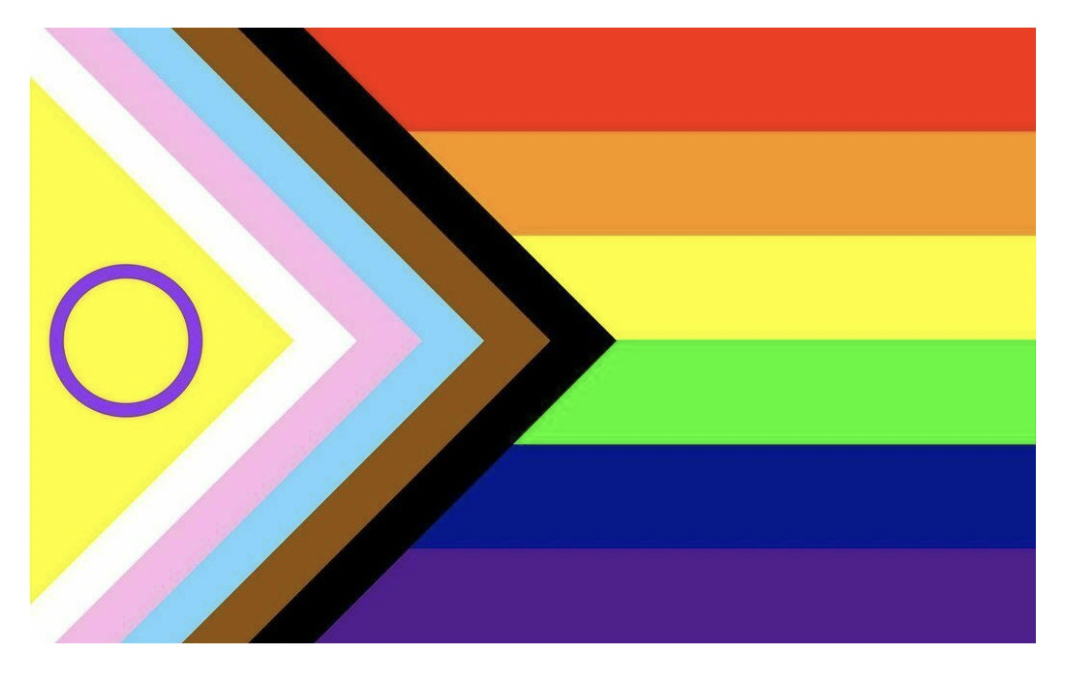
The Center for Identity & Sex Therapy provides inclusive, queer-affirming sex therapy and identity-focused counseling for adults. Our work is grounded in diversity, pride, and social justice, creating a safe, affirming space for clients across sexual orientations, gender identities, and cultural backgrounds.
Grounded in purpose and guided by curiosity, this work is shaped by a deep respect for history, a commitment to social justice, and thoughtful care for complex human experiences.
Curious about our logo or the history of the Pride Flag? Learn more about the values that guide our LGBTQ-affirming therapy practice. Read more.
Did you know?
Romantic loss, divorce, chronic loneliness, dating burnout, and the experience of being single when you do not want to be can significantly affect mental health, self-esteem, sexuality, nervous system regulation, and sense of identity. While these experiences are often minimized socially, research consistently shows that relationship disruption and social isolation can have profound psychological and physiological effects.
According to the U.S. Census Bureau and the Pew Research Center, nearly half of adults in the United States are currently unmarried, and many report increasing difficulty navigating modern dating, intimacy, and long-term partnership. Divorce remains common, with research estimating that approximately 40–50% of marriages in the U.S. end in divorce.
Research from the American Psychological Association (APA) and the National Institutes of Health (NIH) shows that breakups, divorce, rejection, and chronic loneliness are associated with increased rates of depression, anxiety, sleep disturbance, emotional dysregulation, substance use, and physical health stress.
For many people, relational loss is not only emotional — it is deeply embodied. After heartbreak or prolonged loneliness, the nervous system may begin bracing for rejection, abandonment, invisibility, comparison, or disappointment. Dating can start to feel exhausting, performative, confusing, or emotionally unsafe. Many people begin questioning their desirability, timing, identity, attachment patterns, or future.
Modern dating culture can intensify these experiences through ghosting, app fatigue, inconsistent communication, situationships, social comparison, hookup ambiguity, delayed commitment, and pressure to appear emotionally effortless. LGBTQ+ individuals, divorced adults, people navigating infertility or aging, and those healing from trauma may face additional layers of vulnerability, grief, or relational uncertainty while dating.
Despite how common these experiences are, loneliness and romantic grief are often treated as private failures rather than significant emotional stressors deserving care and support.
Therapy can help people process heartbreak, rebuild self-trust, navigate attachment wounds, understand dating patterns, reconnect with desire and confidence, and create relationships that feel more emotionally aligned and sustainable.
-
Very common. Research from the U.S. Census Bureau and Pew Research Center shows that nearly half of U.S. adults are unmarried, and approximately 40–50% of marriages end in divorce.
-
Yes. Research from the APA and NIH shows that relationship loss and loneliness are associated with increased rates of anxiety, depression, stress, sleep disturbance, and emotional dysregulation.
-
Romantic attachment is deeply tied to the nervous system. Breakups and rejection can activate grief responses, stress hormones, hypervigilance, sleep disruption, appetite changes, and feelings of emotional withdrawal similar to other major losses.
-
Yes. Many people deeply value independence while still longing for partnership, intimacy, emotional consistency, or shared life-building. Wanting connection does not make someone needy, unsuccessful, or emotionally weak.
-
Many people experience burnout from dating apps, ghosting, inconsistent communication, hookup ambiguity, social comparison, and prolonged uncertainty around commitment. Dating can begin feeling performative, emotionally draining, or difficult to trust.
-
Yes. Research consistently links chronic loneliness and social isolation to increased stress, sleep disruption, inflammation, cardiovascular strain, and poorer mental health outcomes.
-
Therapy can help people process grief, rebuild self-esteem, understand attachment patterns, navigate dating anxiety, heal from betrayal or rejection, and reconnect with identity and desire after relational loss.
-
Yes. Therapy can help people recognize relational dynamics, attachment wounds, self-protective behaviors, communication patterns, and fears around intimacy or vulnerability that may be affecting relationships over time.
FAQS for Sex Therapy for Dating, Modern Relationships, and Sex Workers
-
Not at all. We work with people who are single, dating, partnered, separated, divorced, exploring non-monogamy, healing after heartbreak, or questioning what they want from relationships altogether. Therapy offers space to understand yourself in relationship—regardless of your current relationship status.
-
Yes. Repeating the same relationship patterns is often less about "choosing the wrong people" and more about understanding attachment, boundaries, emotional availability, and the ways past experiences shape present relationships. Therapy can help you recognize these patterns and begin making different choices.
-
Absolutely. We provide affirming therapy for people exploring or practicing consensual non-monogamy, polyamory, open relationships, relationship anarchy, and other diverse relationship structures. Therapy is not about deciding which relationship model is "right," but about helping you build relationships that align with your values and needs.
-
Yes. The end of a significant relationship often involves much more than heartbreak. It can affect identity, confidence, sexuality, family roles, future plans, and the way you approach intimacy. Therapy can help you process grief, rebuild trust, and navigate dating or relationships after major transitions.
-
This is one of the most common reasons people seek therapy. Changes in emotional closeness, sexual desire, communication, or life circumstances can all impact intimacy. Together, we explore what has changed and how to reconnect in ways that feel meaningful and sustainable.
-
At The Center for Identity and Sex Therapy, we view relationships through an identity-informed, relational lens. We explore not only communication and conflict, but also how attachment, sexuality, culture, family systems, body image, grief, life transitions, and identity shape the way you experience love, intimacy, and connection.
-
Yes. Many people feel caught between cultural expectations, family messages, personal values, and evolving ideas about love and commitment. Therapy offers space to clarify what feels authentic to you—whether that's marriage, remaining single, consensual non-monogamy, or something entirely your own.
-
For many people, yes. Dating apps can create choice overload, repeated rejection, uncertainty, and emotional fatigue. Therapy can help you navigate modern dating with healthier boundaries, greater confidence, and a stronger sense of self, rather than feeling consumed by the process.
-
Absolutely. Sex therapy isn't only about sex. It often explores how identity, relationships, attachment, communication, body image, culture, and emotional intimacy influence the way we connect with ourselves and others. Many clients come to therapy seeking healthier relationships as much as a healthier sex life.
-
Yes. The Center for Identity & Sex Therapy is based in Clifton and offers secure online therapy for adults throughout New Jersey, New York, Pennsylvania, Florida, and Texas.
Virtual therapy allows clients to access specialized support from the comfort and privacy of their own space while maintaining consistency through busy schedules, transitions, caregiving responsibilities, or health concerns.
-
The first step is reaching out for a consultation.
This gives you an opportunity to share what you’ve been experiencing, ask questions about the therapy process, and determine whether working together feels like the right fit.
-
Absolutely. Many people create adult content as part of their work, creative expression, financial independence, or career. Therapy is not about judging your choices or assuming they are the source of distress. Instead, we create space to explore how your work intersects with identity, relationships, boundaries, intimacy, safety, and emotional wellbeing.
-
Yes. We welcome clients engaged in all forms of consensual adult sex work, including escorts, dancers, dominatrices, professional submissives, erotic massage practitioners, cam models, phone sex operators, sugar relationships, adult content creators, financial domination (findom), and other forms of in-person or online sex work. Therapy is a confidential, affirming space where your work is understood as one aspect of your life—not the entirety of who you are.
-
Yes. Many people who work in the sex industry describe navigating multiple identities—professional, personal, romantic, and sexual. Therapy can help you explore boundaries, authenticity, emotional labor, dating, trust, and questions like, "Where does my work end and my personal intimacy begin?" without assuming there is one "right" way to navigate those experiences.
-
No. Our role is not to tell you what choices you should make. We support clients in making decisions that align with their own values, goals, safety, and wellbeing. Some people want to continue in the industry, some are considering a career change, and others are simply looking for a space where they don't have to explain or defend their work.
-
Yes. Sex work and online content creation can affect trust, communication, boundaries, privacy, jealousy, and public identity within relationships. Therapy provides space to navigate these conversations, strengthen communication, and explore how your work fits within your relationship agreements.
-
Yes. Many people who create adult content do not identify with the term sex worker, while others embrace it. Whether you're an independent creator, cam model, subscription-based content creator, fetish educator, or engage in other forms of digital intimacy, therapy can help you navigate the emotional, relational, and identity-related aspects of your work without making assumptions about how you identify.
-
Yes. Many creators and sex workers experience emotional labor, compassion fatigue, harassment, stigma, privacy concerns, parasocial relationships, financial uncertainty, or difficulty disconnecting from work. Therapy can help you develop sustainable boundaries, process difficult experiences, strengthen your support system, and protect your wellbeing while continuing to pursue the work that feels right for you.
-
Yes. Your privacy is protected by the same confidentiality standards that apply to all clients, with the limited legal exceptions that apply to any mental health treatment (such as concerns about imminent risk of serious harm). Many clients choose therapy precisely because it offers a private, nonjudgmental place to discuss parts of their lives they may not feel comfortable sharing elsewhere.
These FAQs fit naturally with your broader message that sexuality, work, identity, and relationships often intersect—and that therapy is a place to explore those intersections without shame or assumptions.
WE want you to know:
Change is possible.
Contact
When desire changes or identity shifts, intimacy can feel miles away. Stop navigating that untethered feeling alone.
Through online, AASECT-certified sex therapy, we provide a relational, specialized space for adults facing health, cross-cultural, or life transitions that disrupt sexuality and body image. Let's explore what’s evolving.
Ready to begin?
Fill out the contact form below to schedule your complimentary 15-minute consultation to ensure it’s the right match.