SPECIALIZED SEX THERAPY BASED IN CLIFTON, NJ AND SERVING ALL OF NJ, NY, PA, FL, & TX
Sex Therapy for Disordered Eating & Body Image
Eating can feel more like control than nourishment.
You can learn to care for yourself differently.
You answer texts eventually. You go to work. You get through conversations. From the outside, your life may appear relatively intact—but privately, so much of your mental energy is consumed by food, your body, how you look, how you’re perceived, or the exhausting pressure to stay in control.
Maybe you constantly think about what you’ve eaten, what you “should” eat, how your body compares to other people’s, or whether you’re taking up too much space. Maybe getting dressed feels emotionally loaded. Mirrors feel intrusive. Photos feel unbearable. Compliments feel complicated. Intimacy can feel vulnerable, exposing, or impossible to fully relax into.
At times, your relationship with food or your body may feel chaotic and emotionally consuming. Other times, it may look highly controlled from the outside—rigid routines, perfectionism, overexercising, obsessive “health” habits, or constantly monitoring yourself in ways other people praise without realizing how exhausting it feels internally.
The Deeper Loneliness of Self-Monitoring
You may also carry a deeper loneliness underneath it all: the feeling that your worth has become tied to your appearance, desirability, discipline, or ability to be wanted by other people. There is a quiet, constant fear that if you truly let go, something about you would become completely unacceptable.
At The Center for Identity and Sex Therapy, we work with adults navigating disordered eating, body image struggles, sexuality, identity, perfectionism, and the complicated emotional relationships people often develop with their bodies. This is specialized therapy for people who are utterly exhausted by the constant self-monitoring, shame, comparison, and disconnection—and who want a more compassionate, grounded relationship with themselves.
Together, our work can help you better understand the emotional function these patterns may be serving, reconnect with your body in safer and more authentic ways, and begin building a relationship with yourself that is not entirely organized around criticism, control, or shame.

It’s ok to not be ok.
For many people, eating isn’t really about food. It’s about shame, control, anxiety, and never feeling like you’re enough.
You may notice yourself thinking about food, your body, or your appearance constantly — calculating what you ate, what you should eat, how you look, how other people perceive you, or whether you’re taking up “too much” space.
From the outside, you may appear disciplined, healthy, controlled, or highly functional. But internally, your relationship with food and your body may feel exhausting, obsessive, emotionally loaded, or impossible to escape.
Things that should feel simple now feel emotionally charged:
The performative dining trap: Feeling a buzzing hypervigilance when eating in front of other people—convinced that every bite, choice, and portion is being silently audited and judged.
The wardrobe negotiation: Standing in front of your closet feeling an exhausting emotional overwhelm while getting dressed, because every fabric and silhouette feels exposing.
The photographic disconnect: Catching sight of a photo of yourself and feeling a cold, disorienting sting—struggling to reconcile the person in the image with how you want to be seen.
The spectatoring loop during intimacy: Finding it nearly impossible to stay emotionally or physically present during touch, because your attention is entirely split between the moment and the intense fear of how your body looks.
The muffled inner signal: Enduring a profound, frightening loss of trust in your own hunger, fullness, or physical needs—feeling like your body's wiring is completely broken or unpredictable.
Rest as a moral failure: Trying to sit still or take a break, only to be instantly flooded by a heavy, toxic wave of internal guilt for not actively controlling or changing yourself.
You may find yourself wondering:
“Why does my body take up so much space in my mind?”
“Why do I feel ashamed after eating?”
“Why can’t I stop obsessing over how I look?”
“Why does my self-worth feel so tied to my body, weight, or appearance?”
Sometimes these struggles look obvious. Other times, they hide beneath “healthy habits,” perfectionism, compulsive exercise, chronic self-criticism, or the quiet belief that your body always needs to be fixed.
It can feel like anxiety. Shame. Emotional numbness. Loss of control. Hypercontrol. Isolation. The exhausting pressure of constantly monitoring yourself throughout the day.
And for many adults, these patterns become even more intense during periods of transition — changes in relationships, identity, sexuality, aging, stress, health, visibility, or the way you experience your body over time.
You may feel caught between wanting to feel comfortable in your own body and feeling terrified to let go of the coping strategies that once helped you feel safe, wanted, or in control.
That in-between space can feel incredibly lonely — especially when other people compliment the very behaviors that are quietly hurting you.

Disordered eating often develops when self-protection starts feeling safer than vulnerability.
You may be navigating:
Constant anxiety around food, eating, weight, or how your body is perceived
A relationship with exercise, nutrition, or “wellness” that has become rigid, compulsive, or emotionally consuming
Intimacy that feels difficult because of shame, body image struggles, or fear of being fully seen
Perfectionism, self-criticism, or the exhausting pressure to constantly improve yourself
Life transitions that have changed the way you experience your body, identity, desirability, or sense of control
The feeling that your self-worth has become deeply tied to appearance, discipline, productivity, or being wanted by others
A growing sense of disconnection from your body, your needs, or even your ability to trust yourself
In these moments, disordered eating often becomes about far more than food alone.
It can feel like protection. Control. Numbness. A way to manage anxiety, shame, vulnerability, loneliness, or emotional overwhelm when everything underneath feels harder to contain.
At times, people begin blaming themselves:
“Maybe I just need more self-control.”
“Maybe I’m too emotional.”
“Maybe I’m overreacting.”
“Maybe I should just be more disciplined.”
But often, disordered eating is not about a lack of willpower.
It’s a sign that something deeper — emotionally, relationally, or internally — needs care, understanding, and support.
-
Specialized, affirming support to help you reclaim your sexual side. Whether you are navigating sexual dysfunction, low desire, or pain during sex, therapy offers a safe space to rebuild connection, confidence, and pleasure. We provide expert, identity-informed care to help you move past sexual shame, address intimacy concerns, navigate LGBTQIA+ stress, or safely explore your sexual identity.
Bespoke, expert-level care for the sexual complexities, disorders, dynamics, and desires we rarely name:
Sexual Desire & Functioning: Working through low desire, arousal or orgasm challenges, and pain during sex.
Hormonal & Reproductive Health: Navigating chronic illness, cancer, perimenopause, menopause, and complex reproductive conditions like PCOS, PMDD, endometriosis, and fibroids.
Medical & Diagnostic Anxiety: Support through difficult test results, health screenings, medical trauma, and reclaiming sexual health after surgery or major illness.
Compulsive Behaviors & Trauma: Specialized care for compulsive sexual behaviors, problematic pornography use, deep-seated shame, and healing from religious or spiritual sexual trauma.
-
Reclaiming Confidence, Pleasure, and Personal Authenticity
Major life, health, or cultural changes—like becoming a parent, menopause, chronic illness, surgery, coming out, divorce, or empty nesting—can shift your sense of self and how you connect with others. We support clients in navigating these complex transitions to reclaim confidence, pleasure, and personal authenticity.
Rather than viewing these changes as isolated physical symptoms, our practice addresses how medical shifts, hormonal evolutions, and lifestyle milestones transform your internal identity and your intimate relationships.
-
Reclaiming comfort, confidence, and connection when your relationship with yourself or your identity shifts. Body changes, self-consciousness, or shame can quietly undermine sexual confidence, desire, and enjoyment—profoundly affecting intimacy and overall satisfaction.
Up to 95% of LGBTQ individuals, 90% of women, and 40% of men report body dissatisfaction, which can lead to “spectatoring” during sex, lowering desire and making arousal or orgasm harder. We help you feel at home in your body, restore intimate connection, and cultivate confidence in your sexuality and identity on your own terms.
Bespoke, expert-level care for the identity shifts, relational dynamics, and somatic challenges we rarely name:
Somatic Health & Body Sovereignty: Specialized care for body image, disordered eating, trauma, identity-based harm, and healing from profound experiences of erasure.
Neurodivergence & Gender Expansion: Affirming, expert-level support for neurodivergence and sexuality (ADHD, AuDHD, ASD), alongside gender-affirming care for LGBTQ+ identity and coming out.
Relational Dynamics & Modern Intimacy: Navigating caregiver stress, burnout, dating, modern relationships, sex work, and queer-spectrum sports psychology.
Culture, Identity, & Family Evolution: Thoughtful support for expat, immigrant, and multicultural identities, as well as parenthood decisions, child-free living, and complex family planning.
-
Holding space for the silent, complicated, and invisible heartbreaks traditional talk therapy overlooks. When grief intersects with reproductive choices, body changes, or identity shifts, the pain can feel deeply isolating. We provide an advanced, gentle clinical environment to help you process profound life losses, honor your unique timeline, and safely carry your grief without being forced to rush through it.
Bespoke, expert-level care for the reproductive losses, life transitions, and hidden grief we rarely name:
Reproductive Loss & Processing: Specialized support navigating the unique emotional weight of abortion, miscarriage, infertility, and the complex medical cycles of IVF.
Birthing Trauma & Postpartum Healing: Compassionate care for pregnancy complications, birth trauma, maternal mental health, matrescence, parenthood, and navigating sex after birth.
Grief, Loss, & Bereavement: Dedicated space to process the death of a loved one, secondary losses, and navigating life after major relational or family changes.
Aging & Maturation Identity Shifts: Honoring the complex grief tied to the passage of time, bodily changes, perimenopause/menopause, or outgrowing a version of yourself that once felt familiar.
Here’s how we can help:


Hello,
You can find your way back yourself, even after everything changes. You are not broken. You are becoming. Every part of you is welcome here.
I founded this practice to walk with people through the "in-between"—those profound moments when a shift in your identity, sexuality, body, or relationships means you cannot go back to how things used to feel. We specialize in that exact space where your language hasn't yet caught up to your experience, but you know you have fundamentally changed.
As a feminist healthcare provider, I believe your sexuality is entirely inseparable from your identity. This mission is to help you reclaim the parts of yourself that have been silenced, shamed, or left behind by life transitions, illness, trauma, and cultural expectations.
I built this practice to offer rare, expert-level care rooted in the exact AASECT-certified sex therapy standards and clinical social work principles I have practiced throughout my career. Using my signature ALIGN Framework and my EMPOWER Your Sexual Health® curriculum, the practice combines evidence-based sex therapy with somatic, humanistic, and meaning-centered approaches to reconnect you with your desire, identity, and sense of self.
The practice’s style is warm, collaborative, and thoughtfully direct. Let’s make space for the complexity of your experience and build a life that feels aligned, embodied, and authentically your own.
Warmly,
Genevieve Marie Gellert, MSW, LCSW, CST (she/her)
Founder, The Center for Identity and Sex Therapy
How sex therapy can help you…
Therapy offers space to step out of the constant cycle of self-monitoring, shame, control, and criticism — and better understand what your relationship with food and your body may actually be trying to protect you from. Disordered eating and body image therapy can help you:
Untangle shame, perfectionism, anxiety, and self-worth from food, appearance, and body image
Build a more compassionate and trusting relationship with your body, needs, and emotions
Explore how identity, relationships, sexuality, trauma, or life transitions may be impacting your relationship with food and control
Feel more present in your body, relationships, and daily life — without constantly organizing your world around fear, restriction, or self-criticism
At The Center for Identity and Sex Therapy, we approach disordered eating and body image struggles through a relational, identity-informed lens that honors the emotional complexity underneath these patterns.
This is not therapy focused on rigid food rules, shame, or forcing you to “love your body” overnight.
It’s about creating space to better understand the role food, control, perfectionism, self-protection, and body image may be playing in your life — and helping you reconnect with yourself in ways that feel safer, more compassionate, and more sustainable over time.

Virtual therapy that moves with you.
The Center for Identity & Sex Therapy is based in Clifton, NJ and provides secure online therapy for adults throughout New Jersey, New York, Pennsylvania, Texas, and Florida. The Center for Identity & Sex Therapy offers secure online sessions across multiple states, expanding access to care without the barriers of commutes, waiting rooms, or rigid schedules. Virtual therapy ensures more equitable access — especially for clients who are immunocompromised, managing chronic illness or disability, balancing caregiving, relocating for work, or living between homes.
Meet from wherever feels safest and most supportive — at home, in a private office, or even outdoors on a walk if movement helps regulate overwhelm. The work meets you where you are — literally.
guiding principles
INTEGRITY
The Center for Identity & Sex Therapy is guided by ethical, evidence-based care and a commitment to honesty, accountability, and the well-being of every client.
COMPASSION
Healing begins where shame and judgment end; this work is grounded in empathy, dignity, and deep respect for your lived experience.
AUTONOMY
Your body, identity, and relationships belong to you, and therapy is a space to explore what feels most authentic — free from pressure or expectation.
INCLUSIVITY
Every identity, body, orientation, and relationship structure is welcome here, and your experience will be met with respect, curiosity, and care.
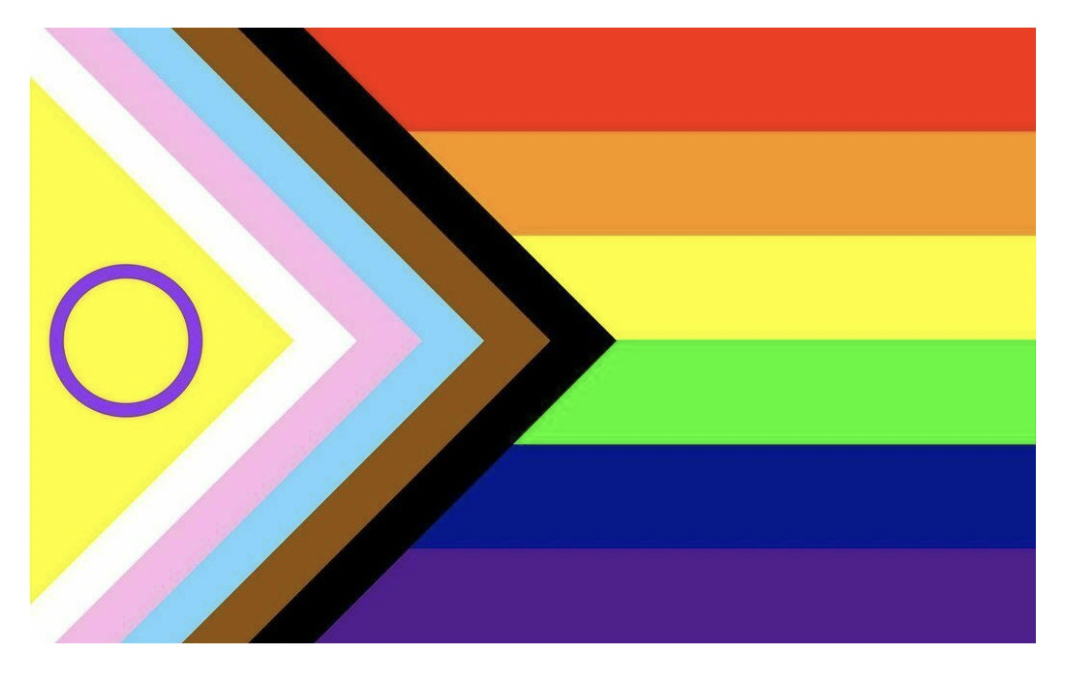
The Center for Identity & Sex Therapy provides inclusive, queer-affirming sex therapy and identity-focused counseling for adults. Our work is grounded in diversity, pride, and social justice, creating a safe, affirming space for clients across sexual orientations, gender identities, and cultural backgrounds.
Grounded in purpose and guided by curiosity, this work is shaped by a deep respect for history, a commitment to social justice, and thoughtful care for complex human experiences.
Curious about our logo or the history of the Pride Flag? Learn more about the values that guide our LGBTQ-affirming therapy practice. Read more.
Did you know?
Disordered eating exists on a broad spectrum — ranging from chronic dieting, food guilt, compulsive exercise, binge eating, emotional eating, and restrictive behaviors to clinically diagnosable eating disorders such as anorexia nervosa, bulimia nervosa, binge eating disorder, ARFID, and orthorexia. Research from the (https://www.nationaleatingdisorders.org) estimates that approximately 9% of the U.S. population — nearly 29 million Americans — will experience an eating disorder in their lifetime, making eating disorders among the deadliest mental health conditions after opioid use disorder.
Eating disorders and body image concerns affect people across all genders, body sizes, and identities. Studies estimate that approximately 20 million women and 10 million men in the United States will experience a clinically significant eating disorder during their lifetime. Men are estimated to represent 25–40% of individuals with eating disorders, though they are significantly underdiagnosed due to stigma and gender stereotypes around body image and help-seeking.
LGBTQ individuals experience disproportionately high rates of eating disorders and body dissatisfaction due to minority stress, discrimination, appearance pressures, and identity-related stigma. Research from the (https://www.thetrevorproject.org) and peer-reviewed studies shows that LGBTQ+ youth and adults experience significantly elevated rates of disordered eating behaviors compared to heterosexual and cisgender peers, particularly among transgender and nonbinary populations.
Body dissatisfaction itself has become nearly normative across modern culture. Research from the (https://www.apa.org) suggests that a majority of women and a growing percentage of men report persistent dissatisfaction with their bodies, appearance, or weight. Social media exposure, fitness culture, anti-aging pressures, and appearance-based comparison have intensified these experiences across age groups and identities.
At the same time, conversations around body positivity and weight stigma have become increasingly polarized. While reducing shame and stigma is essential, some approaches to body positivity can unintentionally dismiss legitimate health concerns, metabolic conditions, physical limitations, or the psychological impact of disordered eating behaviors. Sustainable healing often requires balancing compassion, embodiment, and self-acceptance alongside honest conversations about physical and mental health.
The rapid rise of GLP-1 medications such as Ozempic, Wegovy, and Zepbound has also transformed conversations around food, weight, appetite, and body image. According to healthcare utilization studies, millions of Americans are now using GLP-1 medications for diabetes and weight management, raising new psychological and relational questions about identity, control, hunger cues, body perception, and societal expectations around thinness and health.
Disordered eating therapy addresses the full spectrum of eating and body-related struggles — including restriction, binge eating, compulsive exercise, emotional eating, body dysmorphia, perfectionism, shame, and chronic self-surveillance. Therapy can help individuals rebuild trust with their bodies, reconnect with internal cues, reduce obsessive food or body monitoring, and develop a more integrated relationship between health, embodiment, identity, and self-worth.
-
Disordered eating refers to a broad range of unhealthy relationships with food, exercise, weight, or body image that may or may not meet criteria for a formal eating disorder diagnosis. Eating disorders such as anorexia nervosa, bulimia nervosa, binge eating disorder, and ARFID involve more severe or clinically significant symptoms, but both can have serious emotional and physical effects.
-
Research from the National Eating Disorders Association estimates that approximately 9% of the U.S. population — nearly 29 million Americans — will experience an eating disorder during their lifetime. Eating disorders are among the deadliest mental health conditions and often co-occur with anxiety, depression, trauma, and obsessive-compulsive patterns.
-
Yes. Approximately 10 million men in the United States will experience an eating disorder during their lifetime, and men are estimated to represent 25–40% of individuals with eating disorders overall. However, men are frequently underdiagnosed due to stigma and stereotypes around masculinity and body image.
-
LGBTQ+ individuals experience elevated rates of eating disorders and body dissatisfaction due to minority stress, discrimination, social pressure, appearance expectations, and identity-related stigma. Transgender and nonbinary individuals in particular may experience body distress related to dysphoria, safety, visibility, or societal expectations around gendered appearance.
-
GLP-1 medications such as Ozempic, Wegovy, and Zepbound are medications originally developed for diabetes management that are now widely used for weight loss and metabolic conditions. Their growing popularity has intensified cultural conversations around weight, appetite, thinness, health, and body image, while also raising complex emotional and psychological questions about identity, control, self-worth, and societal pressure around appearance.
-
Reducing shame and stigma around bodies is important, but body positivity can become harmful if it dismisses legitimate physical or mental health concerns, including eating disorders, metabolic illness, compulsive behaviors, or emotional distress related to food and body functioning. Healing often involves balancing self-compassion with honest, individualized conversations about health and wellbeing.
-
Body image can strongly influence desire, pleasure, emotional vulnerability, and presence during intimacy. Many individuals experience “spectatoring,” or mentally monitoring and criticizing their appearance during sexual experiences, which can increase anxiety and reduce connection, arousal, and pleasure.
-
Ambiguous grief refers to mourning someone or something that has changed psychologically, relationally, or physically, even while the person is still alive. Caregivers often experience this when supporting loved ones through dementia, chronic illness, disability, addiction, or major personality and health changes.
-
Yes. Therapy can help individuals address restrictive eating, binge eating, compulsive exercise, food anxiety, body dysmorphia, shame, perfectionism, and chronic self-monitoring while developing a more compassionate, embodied, and sustainable relationship with food, health, and self-worth.
FAQs for Disordered Eating Therapy
-
You do not need to meet criteria for a formal eating disorder to deserve support. Many people struggle privately with obsessive thoughts about food, guilt after eating, body shame, compulsive exercise, restriction, binge eating, emotional eating, or feeling consumed by appearance and self-criticism. If food, weight, or body image are taking up significant emotional space in your life, therapy can help.
-
Disordered eating and body image struggles are not always visible. Many people appear highly functional, disciplined, successful, or “healthy” externally while privately struggling with shame, anxiety, perfectionism, rigid food rules, or obsessive self-monitoring.
-
Yes. Many people experiencing body image struggles feel disconnected from their physical selves — avoiding mirrors, intimacy, photos, certain clothing, or even basic self-care because being in their body feels emotionally loaded. Therapy can help you build a safer and more compassionate relationship with yourself over time.
-
No. At The Center for Identity and Sex Therapy, we look at the deeper emotional and relational experiences underneath these patterns — including shame, identity, perfectionism, anxiety, sexuality, trauma, self-worth, control, and the pressure to be desirable or “enough.”
-
Absolutely. Body shame can deeply impact dating, relationships, sexuality, physical intimacy, self-confidence, and the ability to feel emotionally present with other people. Therapy offers space to explore these experiences without judgment or shame.
-
That shame is incredibly common. Many people fear they will be judged, dismissed, or seen as “vain” for struggling with food or body image. Therapy creates a space where these experiences can be talked about openly, compassionately, and without criticism.
-
Yes. Many clients come to therapy after years — sometimes decades — of silently battling food guilt, body shame, restriction, bingeing, compulsive exercise, or self-criticism. Healing does not require perfection. Therapy can help you better understand these patterns and begin developing a more sustainable relationship with yourself.
-
Our approach is relational, identity-informed, and emotionally focused. Rather than reducing recovery to rules or behavior alone, we help clients explore the deeper emotional experiences connected to food, body image, intimacy, identity, self-protection, and self-worth.
-
Yes. The Center for Identity & Sex Therapy is based in Clifton and offers secure online eating disorder therapy for adults throughout New Jersey, New York, Pennsylvania, and Florida.
Virtual therapy allows clients to access specialized support from the comfort and privacy of their own space while maintaining consistency through busy schedules, transitions, caregiving responsibilities, or health concerns.
-
The first step is reaching out for a consultation.
This gives you an opportunity to share what you’ve been experiencing, ask questions about the therapy process, and determine whether working together feels like the right fit.
we want you to know:
Healing is possible.
Contact
When desire changes or identity shifts, intimacy can feel miles away. Stop navigating that untethered feeling alone.
Through online, AASECT-certified sex therapy, we provide a relational, specialized space for adults facing health, cross-cultural, or life transitions that disrupt sexuality and body image. Let's explore what’s evolving.
Ready to begin?
Fill out the contact form below to schedule your complimentary 15-minute consultation to ensure it’s the right match.