SPECIALIZED SEX THERAPY BASED IN CLIFTON, NJ AND SERVING ALL OF NJ, NY, PA, FL, & TX
Therapy for Women Navigating Identity, Body Image, & Life Transitions
Have you gotten really good at looking “fine,” even when you’re not?
Being a woman can come with an unspoken pressure to hold everything together. Many women describe a constant internal tension — between who they are, who they are expected to be, and who they are trying to become.
We’re expected to be caregivers, emotionally attuned, desirable, relationally available, successful, self-aware — and still somehow feel grounded in our own bodies, sexuality, and sense of self.
Layered into that can be invisible labor — the constant tracking, managing, anticipating, and adjusting around other people’s needs, moods, and expectations — and for some, the imprint of sexual trauma that can deepen disconnection from safety, sensation, and trust in your own body.
You may not always call it “trauma,” but you feel it in your body.
Like something is failing you — not working the way it’s supposed to, not responding the way it used to, not matching what you were told a body should be able to do.
Your cycles feel unpredictable or painful. Your desire goes quiet or feels far away. Your body feels inconsistent, unreliable, like it’s slipping out of sync with what you’re supposed to manage or control.
And underneath that is often a long history of not being heard.
Of sitting in healthcare spaces that moved faster than your experience. Where your symptoms were explained before you felt understood. Where you left with the subtle sense that your body was the problem — or at least not important enough to slow down for.
So you adapt.
You minimize. You translate your pain into more acceptable language. You doubt your own signals before anyone else has the chance to. You start second-guessing what you feel in real time.
In intimacy, the same pattern shows up.
Pleasure becomes something you manage or perform through — not something you’re centered in. You track what is expected instead of what you actually feel. You stay connected enough to keep things going, while quietly disconnecting from your own sensation.
Faking orgasm isn’t always deception — it’s often adaptation. A way to move through pressure, reduce discomfort, or avoid the slow, sinking feeling that your pleasure isn’t really the point.
And over time, you can lose your reference point.
You don’t know how to ask for pleasure because no one ever taught you it was supposed to matter. You stop trusting what feels good because you’ve spent years overriding what doesn’t feel right.
It can start to feel like your body is failing you — when really, it’s been speaking all along, in a system that was never built to listen.
At The Center for Identity and Sex Therapy, we offer online therapy for women in New Jersey and beyond who are navigating anxiety, depression, body image concerns, sexuality questions, relationship stress, and major life transitions.
Many women come to therapy not because something is “wrong,” but because something inside no longer feels fully aligned.
You may look like you’re functioning on the outside — while internally feeling stretched thin, disconnected, overwhelmed, or unsure of who you are becoming.
This is therapy for women who are asking deeper questions about themselves, their relationships, their bodies, and their lives.

It’s ok to not be ok.
For many women, emotional struggle doesn’t always look like crisis. It looks like competence.
You’re showing up. Taking care of others. Managing responsibilities. Holding emotional space for people in your life.
You’re functional, but internally, something feels off.
You may notice:
The invisible fatigue: Feeling emotionally hollowed out and drained, even when your life looks completely "good" from the outside.
A deep, heavy sense of subtraction—feeling entirely disconnected from your own body, your sexual desire, or your appearance in the mirror.
The mental tracking never stops: Carrying a constant, buzzing anxiety about exactly how you are being perceived by others.
The trap of hyper-availability: Underneath an unspoken pressure to be absolutely everything to everyone, all the time.
Can you sit still without apologizing? Experiencing a deep difficulty accessing true rest without a sinking wave of internal guilt.
Always on stage, never at home: Moving through the day feeling like you are constantly "on" and performing, but never fully inhabiting yourself.
You might find yourself wondering:
“Why is my load so heavy?”
“Why do I feel so disconnected from myself lately?”
“Why can’t I just feel present in my own life?”
“Why does everything feel like so much effort?”
“Why do I feel like I’m performing my life instead of living it?”
For many women, this experience builds slowly over time — especially during periods of transition, growth, or relational change.
It can feel like you’ve outgrown certain versions of yourself, but haven’t yet figured out what comes next.
And that in-between space can feel disorienting, lonely, and hard to explain. You don’t have to keep holding it all together alone.

Therapy for women is often about identity, not just symptoms
Many women seek therapy during moments when something internal is shifting.
This may happen during:
Relationship transitions or heartbreak
Motherhood or fertility-related experiences
Body image changes or aging
Career shifts or burnout
Cultural or family expectation conflict
Sexuality exploration or changes in desire
Major life transitions that feel emotionally destabilizing
In these moments, anxiety or depression are often not isolated issues — they are responses to identity strain.
You may feel:
Caught between who you were expected to be and who you actually are
Unsure how to move forward without abandoning parts of yourself
Disconnected from your body, desire, or intuition
Overwhelmed by the pressure to “figure it out” quickly
Therapy becomes a space to slow down and listen to what your internal experience is actually communicating.
Therapy often reveals patterns that have been building quietly over time.
This may look like:
Chronic self-doubt or overthinking
Difficulty trusting your own decisions
People-pleasing or emotional over-responsibility
Anxiety in relationships or fear of being misunderstood
Disconnection from sexuality, desire, or pleasure
Feeling “behind” or not where you thought you’d be in life
Struggling to rest without guilt or anxiety
Many women describe it as a constant internal tension — between who they are, who they are expected to be, and who they are trying to become.
Over time, this tension can lead to burnout, anxiety, emotional numbness, or depression.
-
Specialized, affirming support to help you reclaim your sexual side. Whether you are navigating sexual dysfunction, low desire, or pain during sex, therapy offers a safe space to rebuild connection, confidence, and pleasure. We provide expert, identity-informed care to help you move past sexual shame, address intimacy concerns, navigate LGBTQIA+ stress, or safely explore your sexual identity.
Bespoke, expert-level care for the sexual complexities, disorders, dynamics, and desires we rarely name:
Sexual Desire & Functioning: Working through low desire, arousal or orgasm challenges, and pain during sex.
Hormonal & Reproductive Health: Navigating chronic illness, cancer, perimenopause, menopause, and complex reproductive conditions like PCOS, PMDD, endometriosis, and fibroids.
Medical & Diagnostic Anxiety: Support through difficult test results, health screenings, medical trauma, and reclaiming sexual health after surgery or major illness.
Compulsive Behaviors & Trauma: Specialized care for compulsive sexual behaviors, problematic pornography use, deep-seated shame, and healing from religious or spiritual sexual trauma.
-
Reclaiming Confidence, Pleasure, and Personal Authenticity
Major life, health, or cultural changes—like becoming a parent, menopause, chronic illness, surgery, coming out, divorce, or empty nesting—can shift your sense of self and how you connect with others. We support clients in navigating these complex transitions to reclaim confidence, pleasure, and personal authenticity.
Rather than viewing these changes as isolated physical symptoms, our practice addresses how medical shifts, hormonal evolutions, and lifestyle milestones transform your internal identity and your intimate relationships.
-
Reclaiming comfort, confidence, and connection when your relationship with yourself or your identity shifts. Body changes, self-consciousness, or shame can quietly undermine sexual confidence, desire, and enjoyment—profoundly affecting intimacy and overall satisfaction.
Up to 95% of LGBTQ individuals, 90% of women, and 40% of men report body dissatisfaction, which can lead to “spectatoring” during sex, lowering desire and making arousal or orgasm harder. We help you feel at home in your body, restore intimate connection, and cultivate confidence in your sexuality and identity on your own terms.
Bespoke, expert-level care for the identity shifts, relational dynamics, and somatic challenges we rarely name:
Somatic Health & Body Sovereignty: Specialized care for body image, disordered eating, trauma, identity-based harm, and healing from profound experiences of erasure.
Neurodivergence & Gender Expansion: Affirming, expert-level support for neurodivergence and sexuality (ADHD, AuDHD, ASD), alongside gender-affirming care for LGBTQ+ identity and coming out.
Relational Dynamics & Modern Intimacy: Navigating caregiver stress, burnout, dating, modern relationships, sex work, and queer-spectrum sports psychology.
Culture, Identity, & Family Evolution: Thoughtful support for expat, immigrant, and multicultural identities, as well as parenthood decisions, child-free living, and complex family planning.
-
Holding space for the silent, complicated, and invisible heartbreaks traditional talk therapy overlooks. When grief intersects with reproductive choices, body changes, or identity shifts, the pain can feel deeply isolating. We provide an advanced, gentle clinical environment to help you process profound life losses, honor your unique timeline, and safely carry your grief without being forced to rush through it.
Bespoke, expert-level care for the reproductive losses, life transitions, and hidden grief we rarely name:
Reproductive Loss & Processing: Specialized support navigating the unique emotional weight of abortion, miscarriage, infertility, and the complex medical cycles of IVF.
Birthing Trauma & Postpartum Healing: Compassionate care for pregnancy complications, birth trauma, maternal mental health, matrescence, parenthood, and navigating sex after birth.
Grief, Loss, & Bereavement: Dedicated space to process the death of a loved one, secondary losses, and navigating life after major relational or family changes.
Aging & Maturation Identity Shifts: Honoring the complex grief tied to the passage of time, bodily changes, perimenopause/menopause, or outgrowing a version of yourself that once felt familiar.
Here’s how we can help:


Hello,
You can find your way back yourself, even after everything changes. You are not broken. You are becoming. Every part of you is welcome here.
I founded this practice to walk with people through the "in-between"—those profound moments when a shift in your identity, sexuality, body, or relationships means you cannot go back to how things used to feel. We specialize in that exact space where your language hasn't yet caught up to your experience, but you know you have fundamentally changed.
As a feminist healthcare provider, I believe your sexuality is entirely inseparable from your identity. This mission is to help you reclaim the parts of yourself that have been silenced, shamed, or left behind by life transitions, illness, trauma, and cultural expectations.
I built this practice to offer rare, expert-level care rooted in the exact AASECT-certified sex therapy standards and clinical social work principles I have practiced throughout my career. Using my signature ALIGN Framework and my EMPOWER Your Sexual Health® curriculum, the practice combines evidence-based sex therapy with somatic, humanistic, and meaning-centered approaches to reconnect you with your desire, identity, and sense of self.
The practice’s style is warm, collaborative, and thoughtfully direct. Let’s make space for the complexity of your experience and build a life that feels aligned, embodied, and authentically your own.
Warmly,
Genevieve Marie Gellert, MSW, LCSW, CST (she/her)
Founder, The Center for Identity and Sex Therapy
How therapy for women can help you…
Therapy offers space to step out of survival mode and reconnect with yourself in a deeper way. In our work together, you may:
Reconnect with your body in a more grounded, compassionate way
Understand the roots of anxiety, self-doubt, or emotional exhaustion
Explore identity shifts without pressure or judgment
Work through body image concerns in a deeper, relational way
Reconnect with sexuality, desire, and emotional intimacy
Build stronger internal trust and clarity
Develop a more integrated sense of self
At The Center for Identity and Sex Therapy, we work from a relational, identity-informed, and depth-oriented approach.
This is not about optimizing yourself or becoming more “balanced.”
It’s about helping you feel more like yourself — especially if you’re in the middle of becoming someone new.

Virtual therapy that moves with you.
The Center for Identity & Sex Therapy is based in Clifton, NJ and provides secure online therapy for adults throughout New Jersey, New York, Pennsylvania, Texas, and Florida. The Center for Identity & Sex Therapy offers secure online sessions across multiple states, expanding access to care without the barriers of commutes, waiting rooms, or rigid schedules. Virtual therapy ensures more equitable access — especially for clients who are immunocompromised, managing chronic illness or disability, balancing caregiving, relocating for work, or living between homes.
Meet from wherever feels safest and most supportive — at home, in a private office, or even outdoors on a walk if movement helps regulate overwhelm. The work meets you where you are — literally.
guiding principles
INTEGRITY
The Center for Identity & Sex Therapy is guided by ethical, evidence-based care and a commitment to honesty, accountability, and the well-being of every client.
COMPASSION
Healing begins where shame and judgment end; this work is grounded in empathy, dignity, and deep respect for your lived experience.
AUTONOMY
Your body, identity, and relationships belong to you, and therapy is a space to explore what feels most authentic — free from pressure or expectation.
INCLUSIVITY
Every identity, body, orientation, and relationship structure is welcome here, and your experience will be met with respect, curiosity, and care.
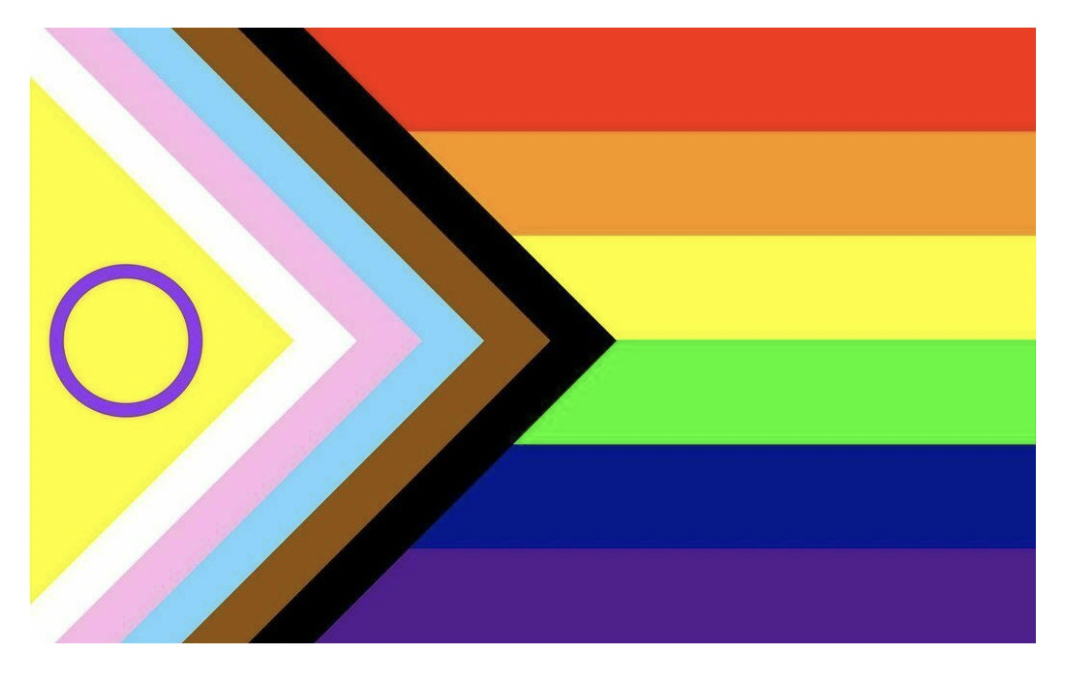
The Center for Identity & Sex Therapy provides inclusive, queer-affirming sex therapy and identity-focused counseling for adults. Our work is grounded in diversity, pride, and social justice, creating a safe, affirming space for clients across sexual orientations, gender identities, and cultural backgrounds.
Grounded in purpose and guided by curiosity, this work is shaped by a deep respect for history, a commitment to social justice, and thoughtful care for complex human experiences.
Curious about our logo or the history of the Pride Flag? Learn more about the values that guide our LGBTQ-affirming therapy practice. Read more.
Did you know?
Women experience higher rates of many common mental health conditions compared to men, including depression, anxiety, and trauma-related disorders. According to the National Institute of Mental Health (NIMH) and the Centers for Disease Control and Prevention (CDC), women are more likely to experience depression and anxiety across the lifespan, with prevalence influenced by biological, psychological, and social factors.
Research also shows that women experience disproportionately high rates of sexual violence, intimate partner violence, and gender-based harassment, all of which are strongly linked to long-term mental health outcomes including PTSD, anxiety, depression, and chronic stress responses. The World Health Organization (WHO) identifies violence against women as a major global public health issue affecting physical and psychological well-being.
Women are also more likely to seek mental health treatment compared to men, according to the American Psychological Association (APA), though access barriers such as cost, stigma, caregiving burden, and lack of culturally responsive care remain significant.
Women’s mental health concerns often emerge in the context of identity, relationships, body image, caregiving roles, trauma history, life transitions, and chronic stress load — making integrated, relational, and trauma-informed therapy especially important.
-
Women are statistically more likely than men to experience anxiety and depression across the lifespan. The National Institute of Mental Health (NIMH) and CDC report consistently higher prevalence rates among women compared to men.
-
Women’s mental health is influenced by a combination of biological, psychological, and social factors, including hormonal shifts, caregiving responsibilities, chronic stress, socioeconomic pressures, and higher exposure to gender-based violence and harassment.
-
Research shows women experience disproportionately high rates of sexual violence, intimate partner violence, and gender-based harassment. These experiences are strongly associated with PTSD, anxiety, depression, and long-term stress responses.
-
Yes. Women are more likely than men to seek mental health care, according to the American Psychological Association (APA). However, many still face barriers such as cost, time constraints, caregiving responsibilities, and difficulty accessing culturally responsive care.
-
Women’s mental health therapy often supports anxiety, depression, trauma recovery, burnout, relationship stress, identity concerns, body image, caregiving strain, and major life transitions. It emphasizes relational, trauma-informed, and holistic care.
-
Yes. Evidence-based therapies such as CBT, trauma-focused therapy, and relational approaches are highly effective in treating anxiety, depression, and trauma-related symptoms, especially when care is tailored to lived experience and environmental context.
Therapy for Women FAQs
-
Many women seek therapy not because something is severely wrong, but because they feel emotionally overwhelmed, disconnected, anxious, or unsure of themselves.
You may benefit from therapy if you feel like you’re constantly managing stress internally, struggling with self-doubt, feeling disconnected from your body or identity, or navigating a transition that feels emotionally destabilizing.
-
No.
Therapy is also for identity exploration, emotional clarity, relationship challenges, burnout, body image concerns, and life transitions. You do not need to be in crisis to benefit from support.
Many women come to therapy when they notice a growing sense that something inside doesn’t feel aligned anymore.
-
This is a common experience during periods of prolonged stress, caregiving, relationship changes, or identity shifts.
Many women spend years prioritizing others, meeting expectations, and managing responsibilities — often at the expense of their own internal needs. Over time, this can create emotional disconnection, numbness, or confusion about identity.
Therapy helps rebuild that internal connection.
-
Yes.
Body image concerns are often deeply connected to identity, sexuality, cultural messaging, and relational experiences — not just appearance.
Therapy provides space to explore these experiences more deeply, helping you shift from self-criticism toward greater understanding and internal grounding.
-
Yes. The Center for Identity & Sex Therapy is based in Clifton and offers online therapy for women throughout New Jersey, New York, Pennsylvania, and Florida.
Sessions are fully virtual, allowing you to access specialized care from a private and comfortable environment.
-
The first step is reaching out for a consultation.
This gives you an opportunity to share what you’ve been experiencing, ask questions about the therapy process, and determine whether working together feels like the right fit.
we want you to know:
Change is possible.
Contact
When desire changes or identity shifts, intimacy can feel miles away. Stop navigating that untethered feeling alone.
Through online, AASECT-certified sex therapy, we provide a relational, specialized space for adults facing health, cross-cultural, or life transitions that disrupt sexuality and body image. Let's explore what’s evolving.
Ready to begin?
Fill out the contact form below to schedule your complimentary 15-minute consultation to ensure it’s the right match.